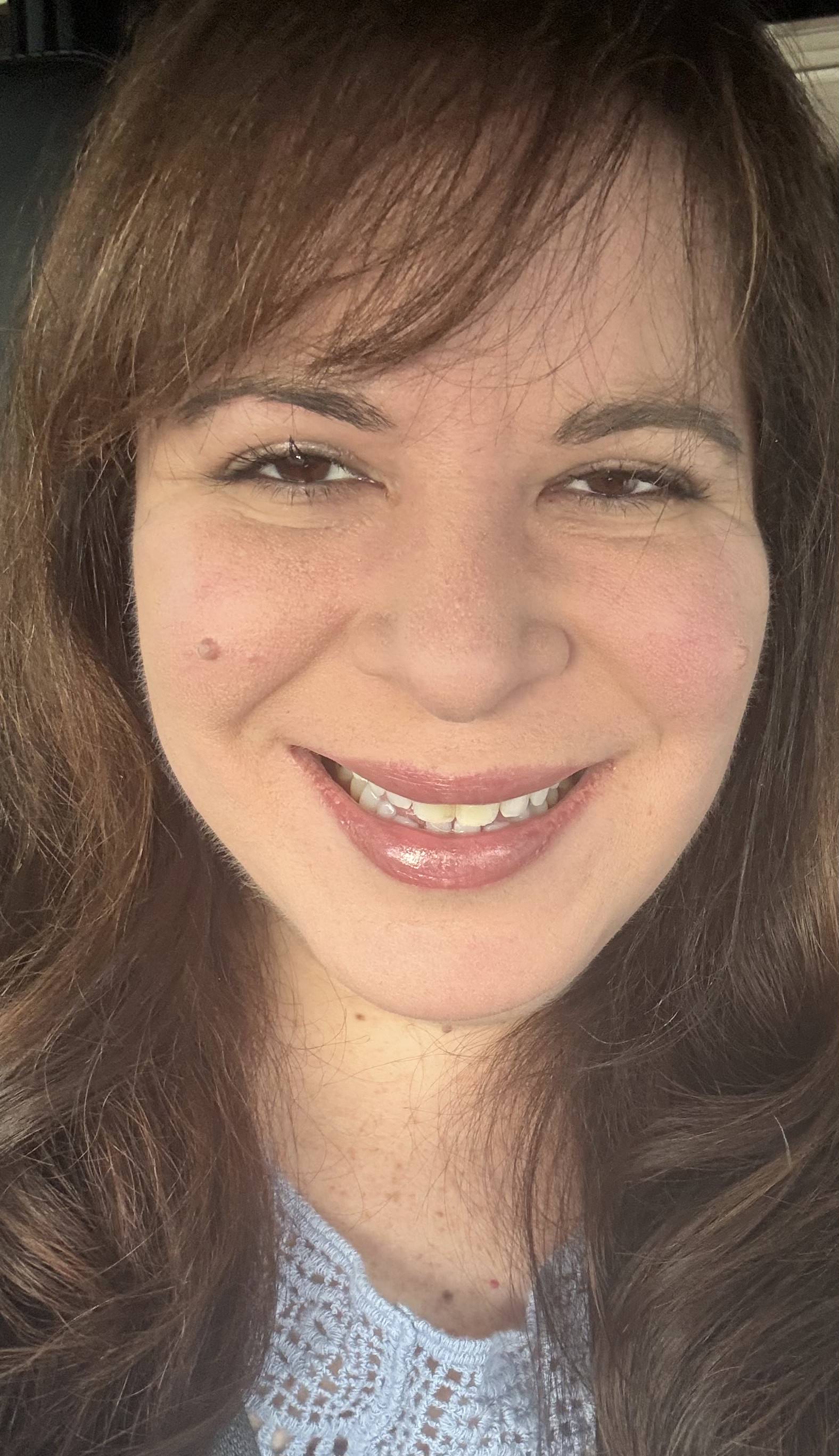
In 1999, I was an undecided college student who knew one thing for certain: I wanted a career where I could help people.
I considered different healthcare professions, but there was one little problem—I absolutely did not love needles! My aunt, who is a nurse, suggested something I hadn’t really considered before: “Why don’t you look into speech therapy?”
I had no idea how much that simple suggestion would change the direction of my life.
Around that same time, my grandmother suffered a massive stroke and lost her ability to communicate. For the first time, I saw firsthand what it meant for someone to suddenly lose something most of us take for granted—the ability to express our thoughts, needs, feelings, and love to the people around us.
I decided to take an introductory course in speech-language pathology, and I fell in love with the profession.
Sadly, my grandmother passed away on New Year’s Day, January 1, 2000—the beginning of a new millennium. I never had the opportunity to become her speech therapist, but her experience gave me a sense of purpose that stayed with me as I continued my education to get my Master’s degree.
When I began my career as a speech-language pathologist, I started in the hospital working with stroke patients. It felt especially meaningful because this was the very population that had first introduced me to the importance of communication.
Not long afterward, my career took a different turn when I began working in pediatric home health. I discovered how much I loved working with children—helping them find their voices, develop their communication skills, gain confidence, and reach milestones their families had been waiting and hoping for.
In 2007, I took another major step and opened my own private practice.
Over the past 23 years, I’ve had the opportunity to work in many different settings, with children and adults facing a wide range of communication challenges. Each experience has taught me something, and every patient, child, and family has helped shape the clinician I am today.
And somewhere along the way, something else happened that I never expected. Some of the families I worked with stopped feeling like simply “patients” and became like family to me. I watched children grow up. I celebrated their victories, stood beside their families through difficult moments, and shared milestones that once seemed impossible. Some of those relationships have lasted for years, and they are among the greatest gifts this profession has given me.
But I could never have imagined just how personal this profession would become again.
Over the past 10 years, my father has suffered multiple strokes.
This time, I wasn’t the therapist standing beside a patient’s family. I was the daughter standing beside my own father.
And suddenly, everything came full circle.
The profession I discovered because of my grandmother became the profession that gave me the knowledge and experience to understand what was happening to my father and to advocate for him when he needed it most.
It has also given me an even greater understanding of the families I’ve worked with throughout my career.
Behind every diagnosis, every evaluation, and every therapy goal is a real person—and a family hoping for one more word, one more conversation, one more piece of the person they love.
When I think back to that undecided college student in 1999, I realize I wasn’t simply choosing a major.
I was beginning a journey I couldn’t possibly have understood at the time.
Twenty-three years later, I still believe communication is one of the greatest gifts we have.
Speech-language pathology isn’t simply what I do.
It’s part of who I am. ❤️
— Lori B. Levy, M.A., CCC-SLP