What Elementary Speech Goals Look Like
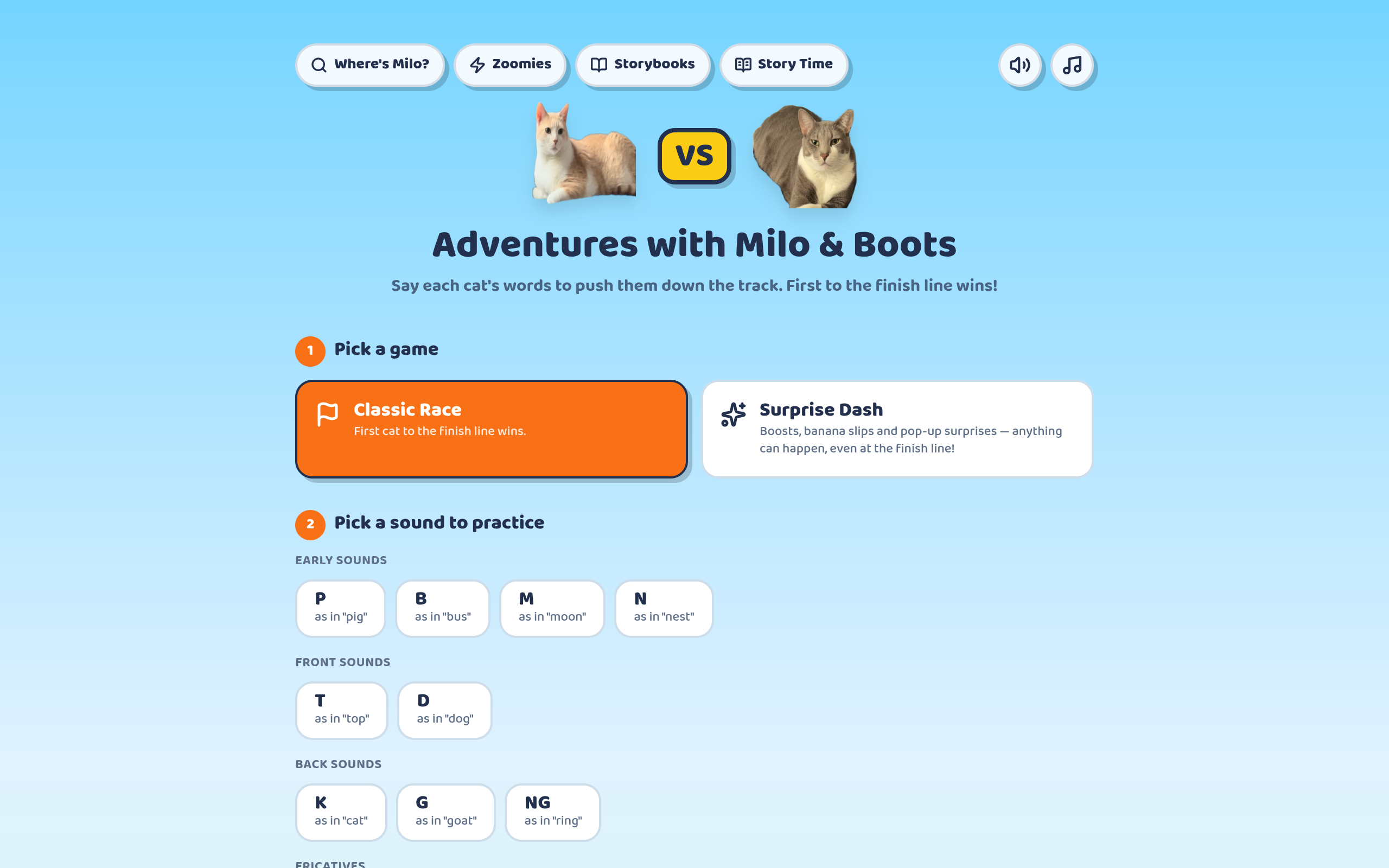
By six or seven, the sounds still on a therapy plan are usually the late ones — R, S, Z, L, TH, and vocalic R. These are the hardest to shift precisely because they have had years to become automatic, and progress comes from a large volume of correct repetitions rather than from a new explanation.
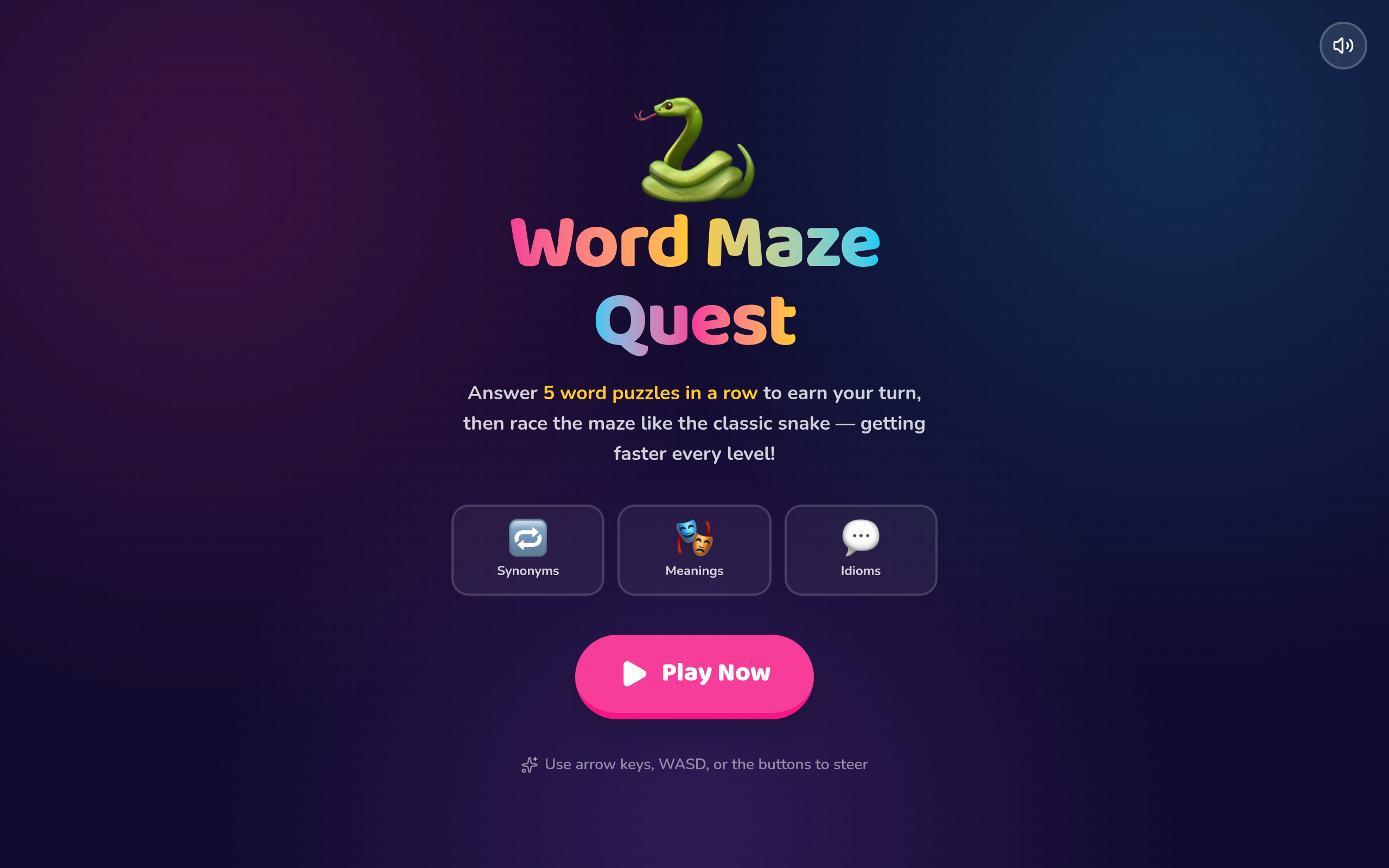
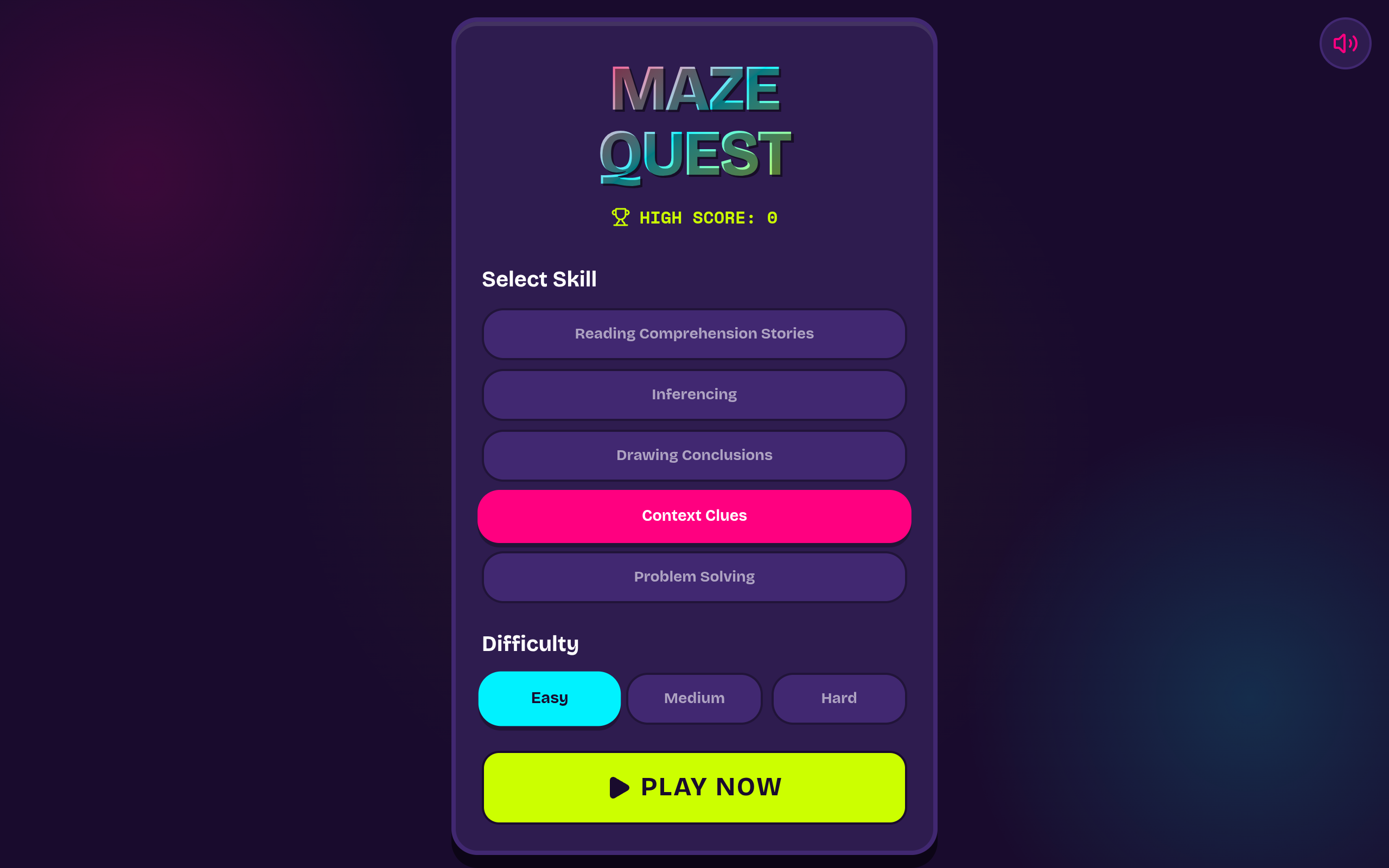
Alongside articulation, the language goals become more prominent through these years. Vocabulary depth, understanding that words relate to each other, drawing inferences from what was said, and handling figurative language all start to matter academically from about third grade, when reading shifts from decoding to comprehension.
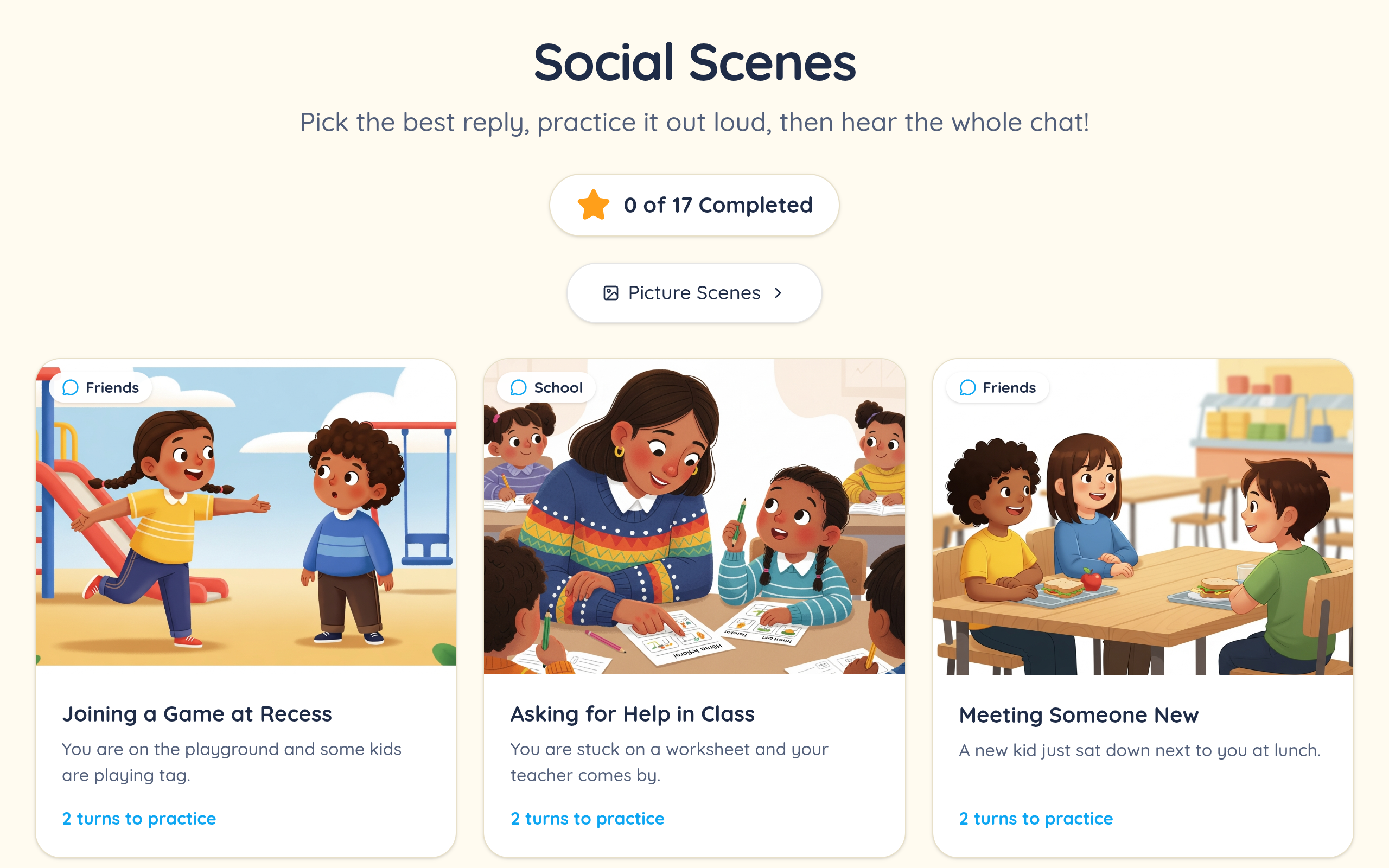
Social communication is the third strand: reading a situation, repairing a conversation that has gone wrong, taking another person's perspective. It is the most requested goal area and the least suited to worksheets, which is why interactive practice earns its place.
Practice That Survives a School-Age Schedule
School-age children usually see an SLP once or twice a week, often in a group. That is enough to teach a skill and rarely enough to automate one, so the between-session practice is what sets the pace — and it competes with homework, sport, and everything else.
Ten minutes most days is a realistic target and beats a long weekend session. Attaching it to an existing routine — after dinner, before screen time — makes it far more likely to survive contact with a real week than a good intention does.
Children this age also start to have opinions about being treated as younger than they are. Activities with a genuine challenge and a visible score hold a nine-year-old in a way that a cartoon-fronted preschool app will not.
Working With the School SLP
If your child receives services at school, ask the SLP for the specific target — not "the R sound" but which R, in which position, at which level. Practising initial R when the current target is vocalic R is well-intentioned effort spent in the wrong place.
Ask too what a correct production should sound and feel like, so home practice reinforces the same thing the session established. Working on the same target from two directions is what generalises a sound into everyday speech.
School services and home practice are complements, not substitutes. Our word lists and sound guides are free and give you the vocabulary to practise whichever target the SLP names.