Free Speech Therapy Games — Play Online
5 speech therapy games you can play right here in your browser — speech sounds, vocabulary, comprehension, social skills, and feeding. Play on any device, with nothing to download, print, or prep.
They were developed by our team with our clinical lead, Lori B. Levy, M.A., CCC-SLP, around the goals that appear on real therapy plans — this is not a list of links to other sites, it is where the games actually run. Some are free with a free account and the rest are included with Pro; every card says which.
Playable in any browser
Every Speech Therapy Game, Side by Side
What each game targets, the ages it suits, where it fits, how long a sitting takes, and whether it needs Pro. Every game listed here is playable in a browser with a free account.
| Game | What it practices | Ages | Where it fits | Session | Plan |
|---|---|---|---|---|---|
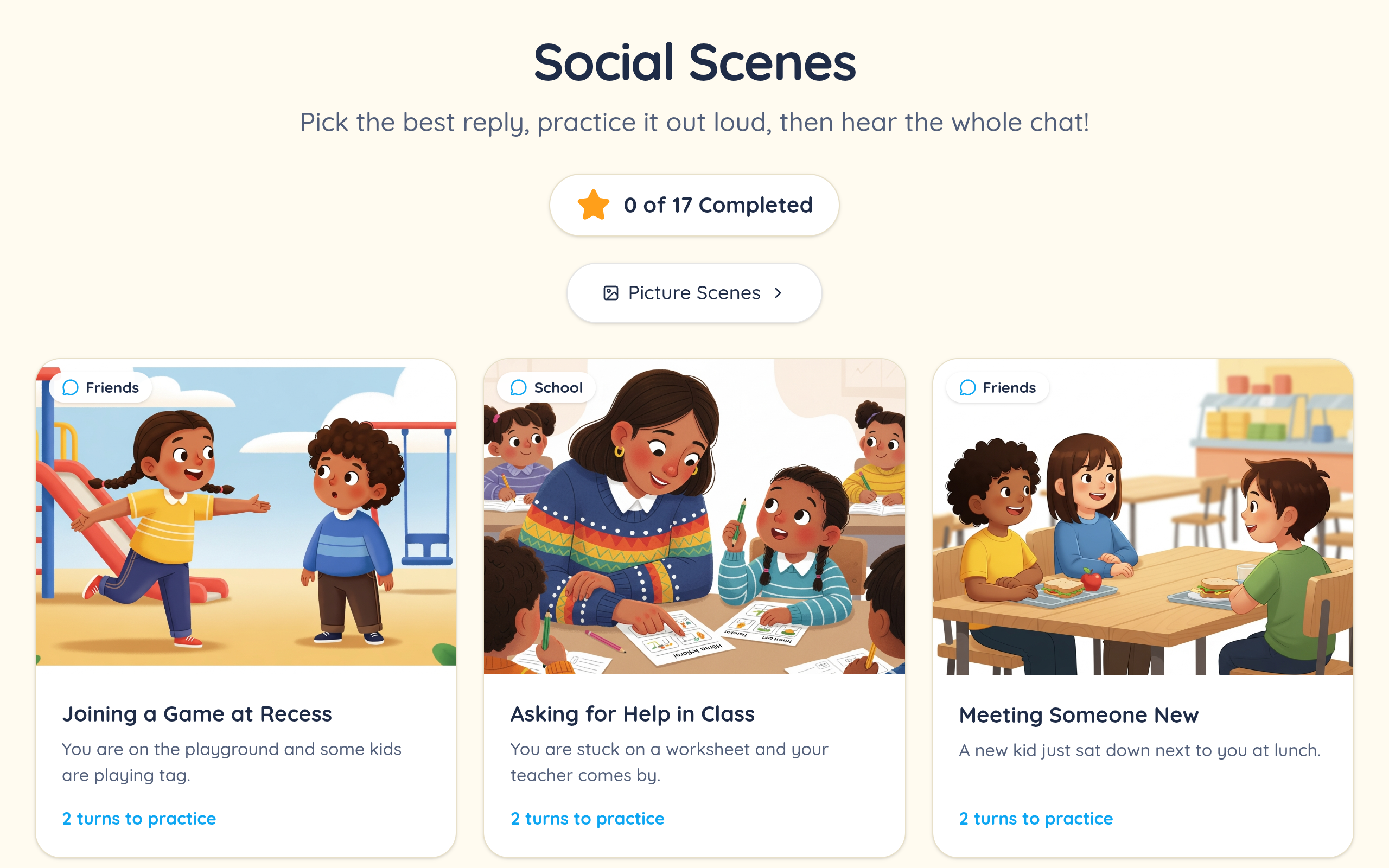
| Social Scenes | Conversation Skills, Social Communication, Self-Monitoring | Ages 6–13 | Anywhere | 15 min | Pro |
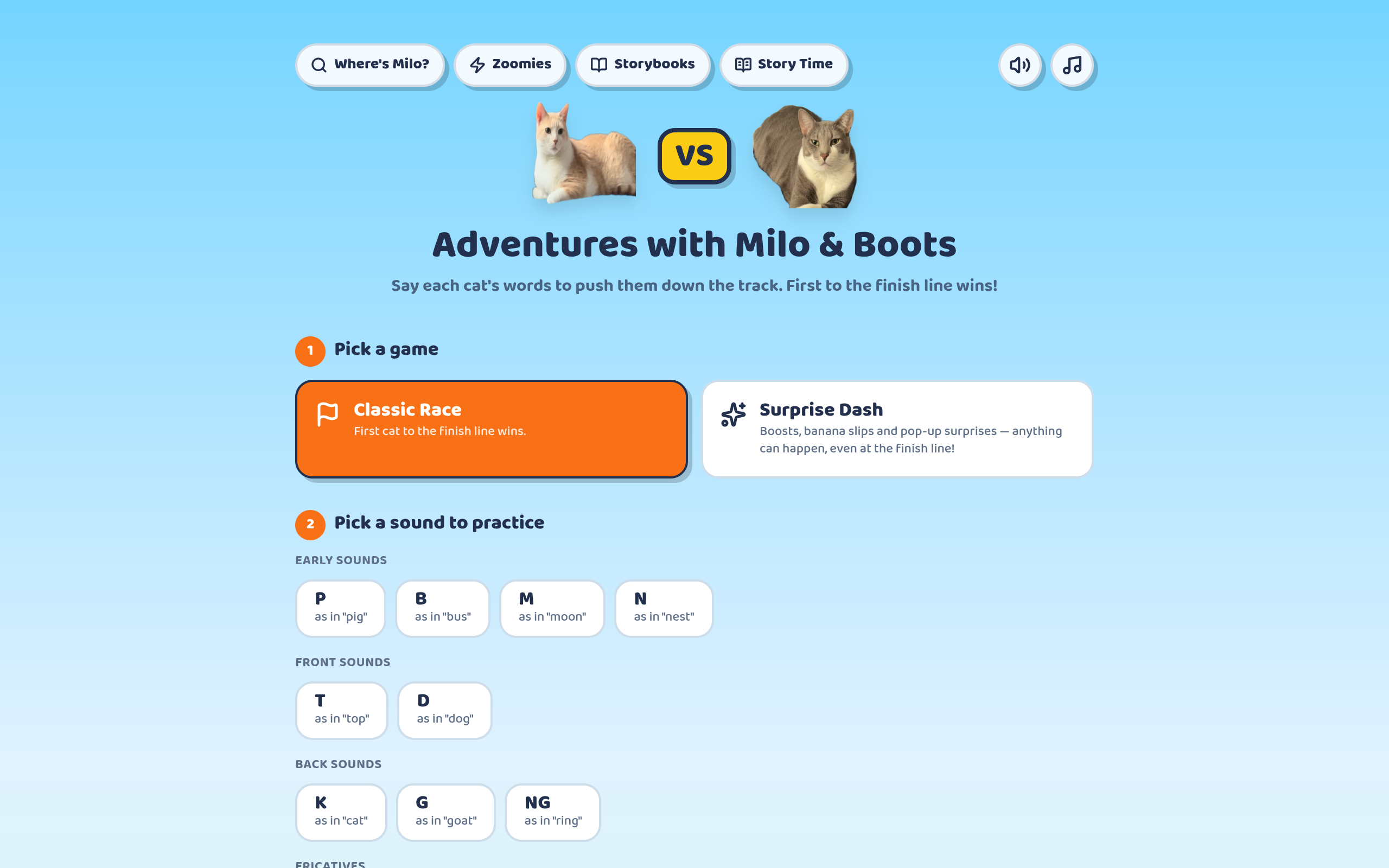
| Speech Cats | Articulation, Speech Sound Practice, Speech Clarity | Ages 4–10 | Anywhere | 10 min | Pro |
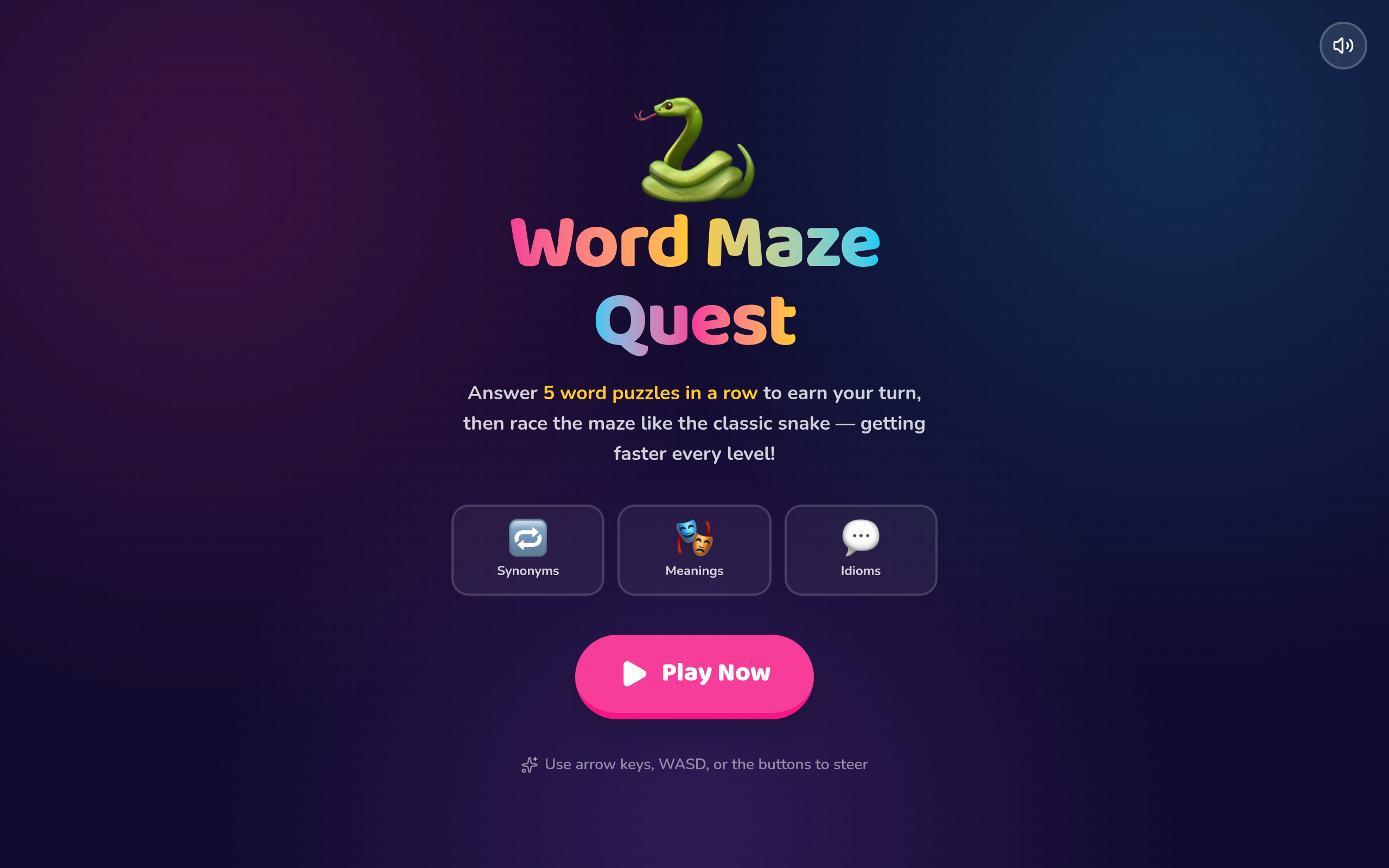
| Level Up | Synonyms, Antonyms, Multiple Meanings | Ages 7–13 | Anywhere | 5 min | Pro |
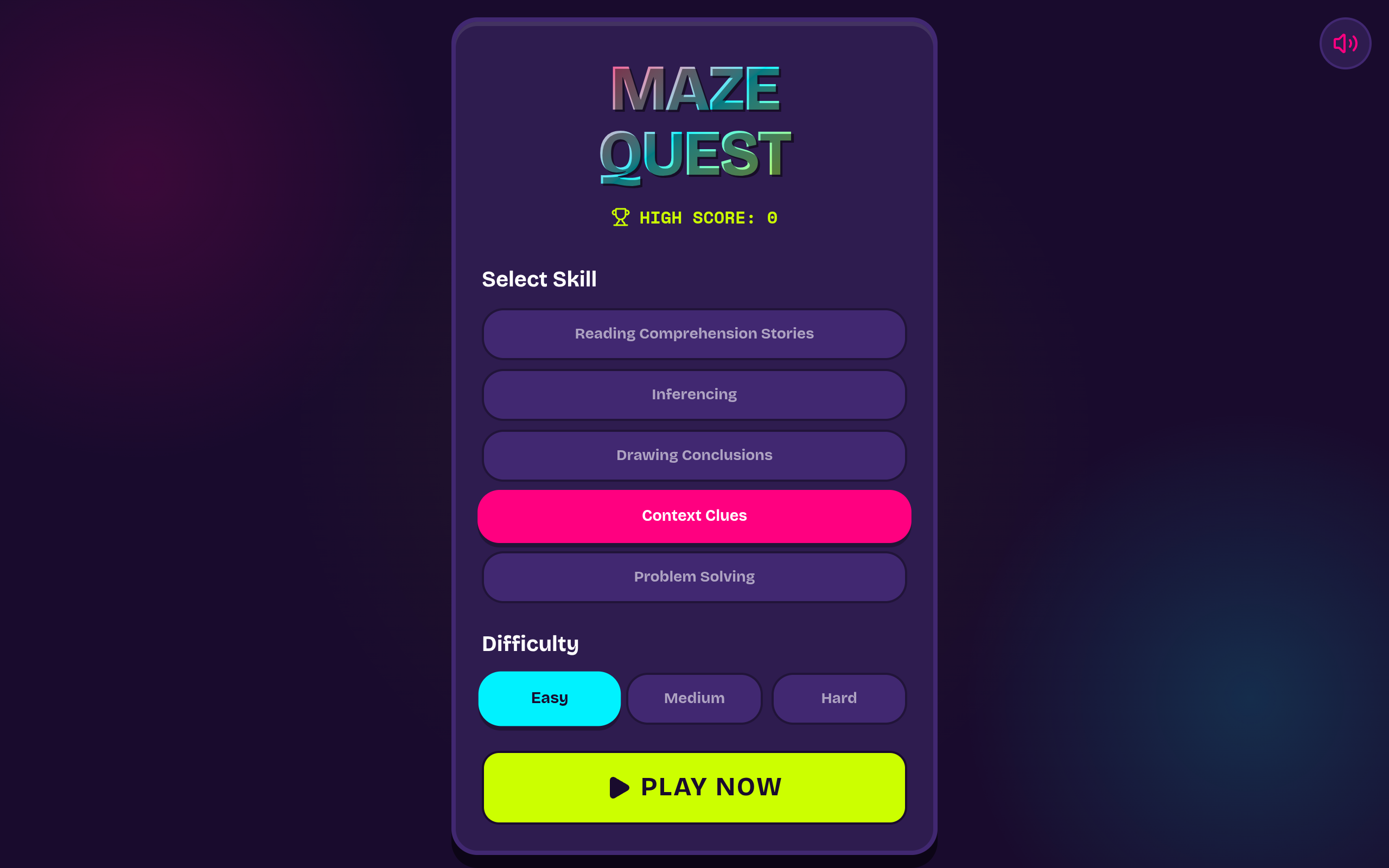
| Maze Quest | Comprehension, Inferencing, Reasoning | Ages 6–12 | Anywhere | 10 min | Pro |
| Social Spark | Social Skills, Emotional Regulation, Perspective Taking | Ages 6–13 | Anywhere | 10 min | Pro |
“Session” is a typical sitting, not a level length — none of these games end on their own. A dash means we have not published that detail for a game yet rather than that it does not apply.
Grouped by the skill each game targets, so you can go straight to articulation, language, or social communication. Sign in with a free account to start playing; each card shows whether it is Free or Pro.
Pro members also get progress tracking and reports, extra student profiles, and higher story and pronunciation-scoring limits — see what is included.
Speech & Language Games
Games for speech and language practice — saying sounds clearly, answering questions, and building skills through high-repetition play that keeps kids talking.
Language & Vocabulary Games
Synonyms, antonyms, idioms, multiple-meaning words, listening comprehension, and inferencing — the semantic and comprehension goals that show up on most language IEPs.
 Pro
ProLevel Up
Ages 7–13A fast multiple-choice vocabulary game covering synonyms, antonyms, multiple-meaning words, and idioms.
Targets
 Pro
ProMaze Quest
Ages 6–12Solve your way through the maze by answering comprehension and inferencing questions.
Targets
How the Games Work
Four practical things worth knowing before you send a game to a student or hand a tablet to your child.
They play inside your account
Games run in the dashboard, behind a login. That is what keeps them out of ad networks and off the open web, and it is why a child never makes an account here — a parent, therapist or teacher holds it.
Free and Pro, marked on every card
Each card carries a Free or Pro badge, and the badge follows the database rather than this page, so it cannot go stale between deploys. Free games need only a free account; the rest come with Pro, alongside the whole activity library.
Any browser, any device
Nothing to install, nothing to print. The same link opens on an iPad on the sofa, a Chromebook in a school library, a phone in a waiting room, or a classroom smartboard, and every game is built touch-first.
Practice gets recorded
Every play is logged against the account, so what was practised and how often is something you can look at later instead of something you have to remember. Trends by sound are a Pro feature.
How Kids Practice With These Games
The same six things are true of every game on this page, so they are stated once here rather than restated on each one.
Repetitions without the fight
Progress in speech and language runs on volume of practice. A ten-minute game produces dozens of engaged responses where a worksheet produces a handful of reluctant ones — the target is identical, the willingness is not.
Built around real therapy goals
Every game is developed by our team with our clinical lead, a licensed speech-language pathologist, against the targets that appear on IEPs and treatment plans: articulation, vocabulary, comprehension, following directions, and pragmatic language.
Nothing to install or print
They run in any browser, on a phone, tablet, Chromebook, laptop, or classroom smartboard, and they are built touch-first — so the iPad on the sofa and the cart in the school library behave the same way.
Practice out loud, not just tapping
Several games ask the child to say the word or record their answer and play it back. Hearing your own production is the fastest feedback there is, and it is the part a printable can never do.
Practice that gets recorded
An account keeps a history of what was practised across every activity on the site, so "has this actually helped?" has an answer that is not a memory. Trends and sound mastery over time are Pro features.
No ads, and no accounts for children
Games sit behind a login, so they are not in ad networks and not open to the web. A parent, therapist, or teacher holds the account and the data — children never make one themselves.
Developed With a Licensed SLP
Every game here is developed by our team with our clinical lead, Lori B. Levy, M.A., CCC-SLP. The goal areas come first and the game is built around them — which is why the categories on this page read like a treatment plan rather than an app store.
Why Games Belong in Speech Therapy
Speech and language skills grow through repetition — and repetition is exactly what kids resist when practice feels like drill. Games flip that: the same ten minutes that would produce a handful of reluctant worksheet answers produces dozens of engaged responses when there's a maze to solve or a level to beat.
Every game here was designed around real therapy goals — the same targets that appear on IEPs and treatment plans. Play them in sessions, assign them for home practice, or pull them up on a classroom smartboard. They run in any browser, on any device, with nothing to print or prep.
Want more than games? A free SpeechTherapyMagic account also unlocks pronunciation practice with instant feedback, AI-personalized stories, smart flashcards, and progress tracking that shows you exactly which sounds and skills are improving.
How to Use These Games
In a therapy session, use a game for the high-repetition stretch of your block and keep your own attention on the productions — model the target first, then let the game carry the volume of practice while you listen and give feedback. Asking “how did you know?” after a comprehension or inferencing answer turns a click into an expressive language task.
At home, five to ten minutes a few times a week beats one long weekend session. Sit close enough to hear how your child is saying the words, and keep feedback light — one clear model of the correct production does more than a correction.
In teletherapy or the classroom, screen-share a game or send students to it on their own device. Nothing needs installing, so a smartboard, a Chromebook cart, and a home iPad all behave the same way.
Not sure which sounds to target yet? Our speech sound library breaks down all 40 English speech sounds — consonants, vowels and diphthongs — by the age each typically develops, and the full activity library covers the flashcards, stories, and pronunciation practice that go alongside these games.
Browse Games By…
The same games, sorted for how people actually look for them — by the goal they target, by age, by what they cost, and by where they get used. Every category here is its own page, with the games that match it and how to run them.
By skill
Articulation
Speech sound practice — the repetitions a new tongue position needs, inside a game.
Language
The umbrella page — vocabulary, comprehension, directions, and social language in one list.
Vocabulary
Word knowledge in depth — synonyms, antonyms, multiple meanings, and figurative language.
Listening & Comprehension
WH-questions, inferencing, and the reasoning that happens after the words land.
Following Directions
One-step to multi-step instructions, and the concept words they are built from.
Social Communication
Pragmatics — conversation, perspective taking, and repairing an exchange that went wrong.
Phonological Awareness
Rhyme, syllables, blending, and segmenting — and a straight answer that we have no game for it yet.
Minimal Pairs
Contrast therapy — how it works, which pairs target which process, and what we actually have.
Memory & Sequencing
Auditory memory and putting things in order — with a candid note on what memory games can do.
Feeding & Mealtimes
Picky and selective eating — low-pressure exploration, and when it needs a clinician.
AAC & Communication Aids
Communication aids — what they are, why they help speech, and what we are not.
By age
By setting
Online Games
Browser-based play — no installs, no printing, works on tablets and phones.
For Teletherapy
Screen-share or send a link — built for remote sessions.
For the Classroom
Group play on a smartboard — no printing, no prep.
For SLPs
No-prep activities for a mixed caseload, and what the data does and does not give you.
For Parents
Games plus the part nobody explains: what to correct, what to model, and how much is enough.
At Home
The schedule rather than the technique — a routine that survives a bad week.
By speech sound
Practice words, what to listen for, and the games that carry the repetitions — for each of the 24 sounds that regularly show up as therapy targets.
Frequently Asked Questions
Are these speech therapy games really free?
Do I need to download or install anything?
Do the games work on an iPad, Chromebook, or phone?
What ages are these games for?
Do the games track progress?
Can I use these in teletherapy or a classroom group?
Who made these games?
Is there more than games?
Keep Exploring
Speech Sound Library
Therapy guides for every English speech sound, with word lists and practice tips.
Ready-Made Card Decks
Also: interactive speech therapy card decks built in Magic Studio — flashcards, picture quizzes and spelling cards.
All Practice Activities
Pronunciation practice, personalized stories, flashcards, worksheets, and more.
Social Scenes
Build conversations in everyday social situations — then record yourself and hear exactly how it sounds.
Speech Cats
Adventures with Milo and Boots — two cool cats who make speech practice something kids actually ask for.
Level Up
A fast multiple-choice vocabulary game covering synonyms, antonyms, multiple-meaning words, and idioms.
Maze Quest
Solve your way through the maze by answering comprehension and inferencing questions.
Start Playing Today
Create a free account for the free games, progress tracking, and the full library of practice activities developed with our clinical lead.
Get Started FreeStart free • No credit card required
Social Communication & Emotional Regulation Games
Conversation practice, perspective taking, and emotional regulation — pragmatic language goals that never worked well on paper.
Social Scenes
Ages 6–13Build conversations in everyday social situations — then record yourself and hear exactly how it sounds.
Targets
Social Spark
Ages 6–13Practice social skills and emotional regulation — and build essential life skills and friendships along the way.
Targets