Speech Therapy Activities
9 practice tools that turn a target sound into repetitions: pronunciation scoring with sound-by-sound feedback, flashcards, memory match, WH questions, illustrated stories, a deck builder, printable worksheets and word lists.
Looking for the games instead? They have their own page.
The word lists need no account at all.
You said
rabbit
Great job. The /r/ slipped a little.
Tip: pull your tongue back, keep your lips relaxed, and think “grrr” like a tiger before “rabbit”.
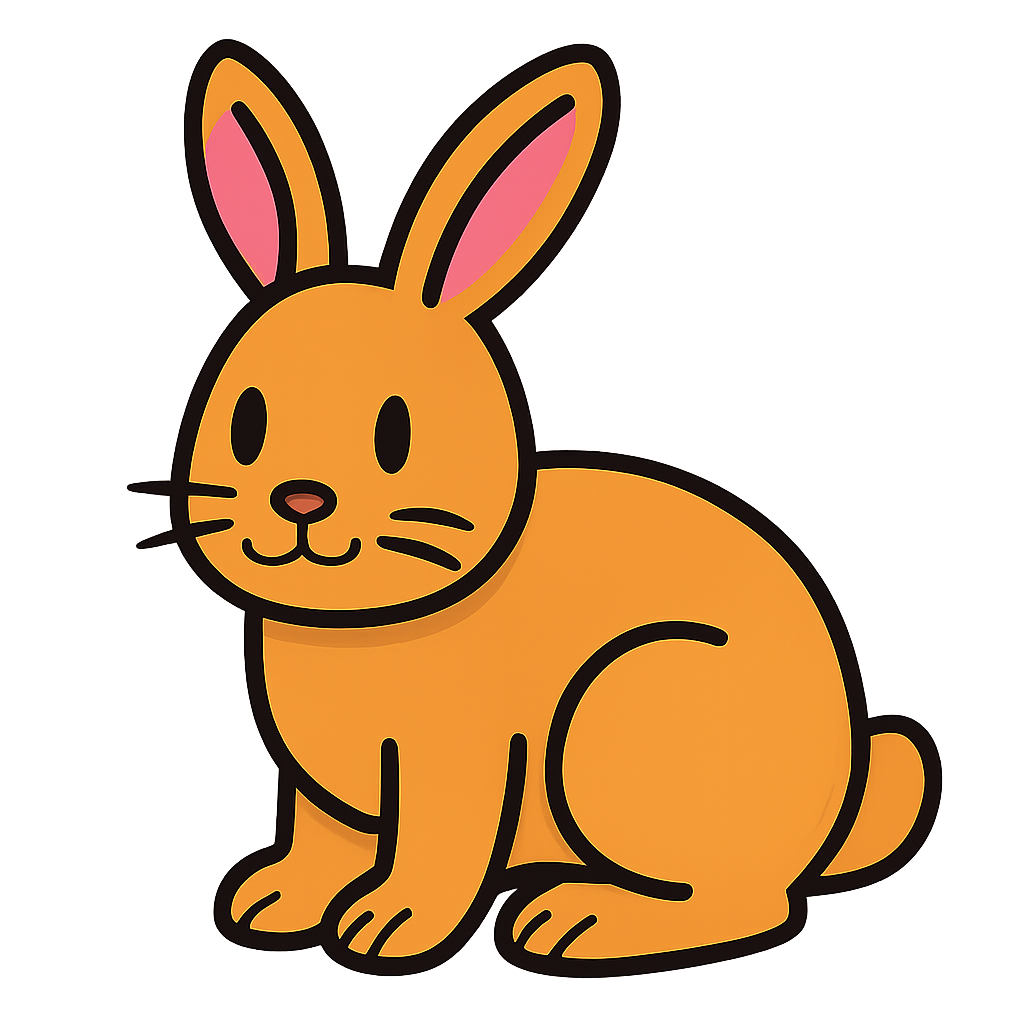
rabbit
/r/ · initial

star
/s/ · initial
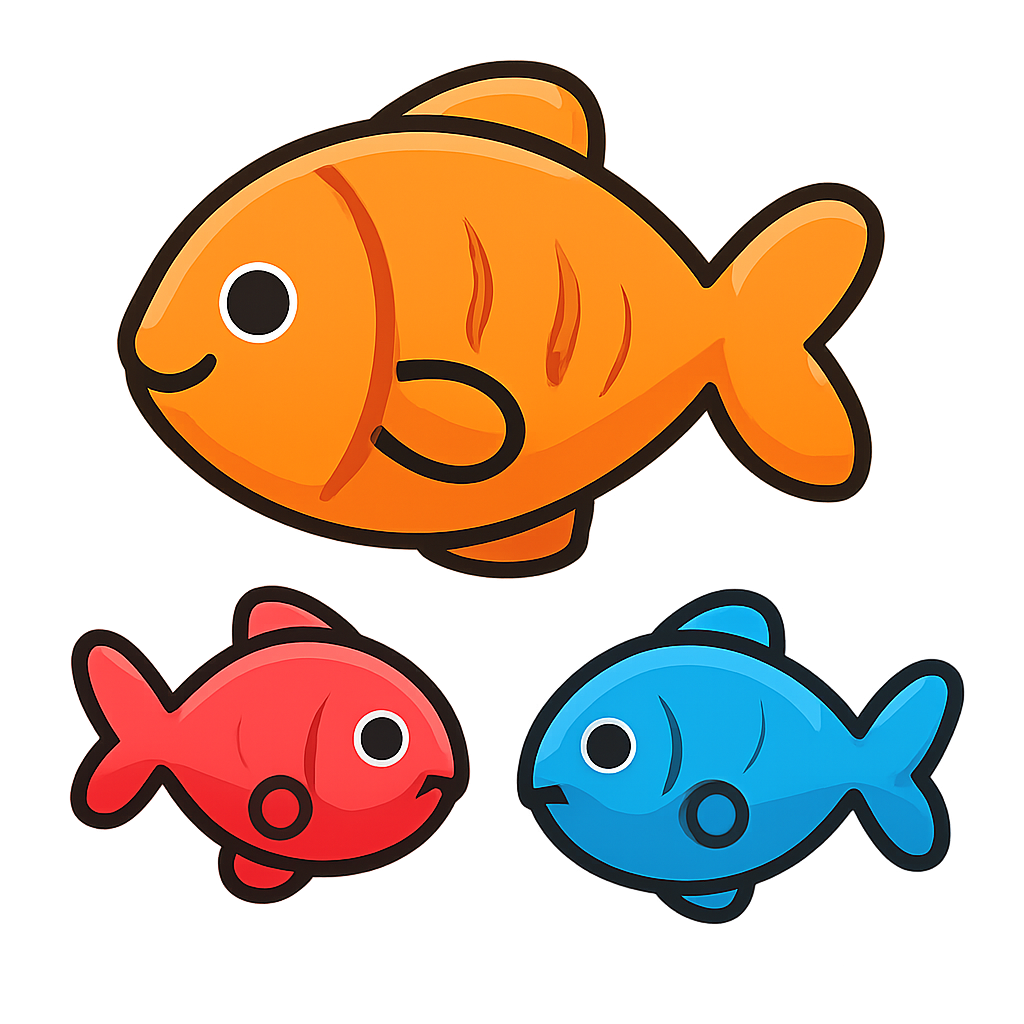
fish
/f/ · initial
/R/ drill sheet
Print- rabbitinitial
- carrotmedial
- rivermedial
- doorfinal
Practice Activities
The activities a child works through in the app. Each one takes a target sound or a language goal and turns it into repetitions, and each one records what was practised.
Pronunciation Practice
Say the word, hear how each sound went
A child says a target word into the microphone and gets a score back with a sound-by-sound breakdown — not just “close” or “try again”, but which phoneme slipped and what to do about it. Scoring runs on ArticScore, our own pronunciation engine.
- Phoneme-level feedback, not a single word score
- Covers all 23 consonant targets in the word bank
- Plain-language tips of the kind an SLP would give
- Every attempt logged against the sound it targeted
5,000 scored attempts a month; scoring also runs in the games
Sound Flashcards
Swipe-through drill practice for any sound
Pick a sound and a word position and work through a deck at your own pace. Swipe right for the ones that landed and left for the ones to come back to, so the deck narrows to what still needs work.
- Decks for every sound, in initial, medial and final position
- Easy to hard, drawn from a bank of 9,200+ words
- Real photographs on the illustrated cards
- Self-paced, so an independent reader can run it alone
Included in the plan
Memory Match
Say the word every time you turn a card over
A classic concentration board built from words that share a target sound. The matching is the hook; the speech practice is that the child names each card out loud as it flips, which is a lot of productions in a short sitting.
- Boards built from your chosen target sound
- Three sizes: 3, 6 or 8 pairs
- Pictures only, or pictures with the word printed on them
- Moves and time tracked, so there is something to beat
Included in the plan
WH Questions
Comprehension practice on a picture scene
An illustrated scene with a question about it — who, what, where, when, why or how. The picture stays on screen while the child answers, so this is a comprehension task rather than a memory test.
- Six practices, one per question word, plus a mixed set
- Three levels in each: look and find, look closely, then use clues
- Multiple choice, with feedback on every answer
- Answers stored by question type, not just a total
Included in the plan
Story Builder
An illustrated story loaded with one sound
Choose a target sound, a theme and a reading level, and get an illustrated story with the target words woven through it and highlighted. Carryover practice at sentence and paragraph level, in something a child will actually finish.
- A custom illustration generated for each story
- Themes from pirates and space to animals and dinosaurs
- Reading level from pre-K through 6th grade
- Target words highlighted in the text as you read
20 stories a month
Make Your Own Materials
Tools for the adult rather than the child: build an interactive deck, print a worksheet, or pull the practice words for a sound. Two of the three need no account at all.
Magic Studio
Drag-and-drop builder for your own decks
Build an interactive card deck from scratch: quiz cards, flashcards, audio prompts, matching, drawing, drag-and-drop. Add a pronunciation target to any card and the deck scores speech as the student plays it.
- 22 element types on a free-form canvas
- Therapy templates to start from instead of a blank page
- Share by link or a 6-digit PIN — no student account needed
- A 49-card interactive guide that teaches the editor
Included in the plan; students play by PIN with no account
Printable Worksheets
Generate a sheet for tonight's homework
Three generators that build a print-ready page around your target sound: articulation drill grids, sound-loaded reading passages, and minimal pairs sheets for auditory discrimination work.
- Articulation drills with practice tracking circles
- Minimal pairs sheets across several phonological processes
- Sound-loaded reading passages with comprehension questions
- Print-ready layout for the clinic, the classroom or the fridge
Included in the plan
Word Lists
The practice words, by sound and position
The raw material behind everything else, browsable on its own. Pick a sound and read the words that target it, sorted by where the sound falls in the word and how hard it is to say.
- All 40 English speech sounds, plus 24 consonant blends
- Initial, medial and final position for every sound
- Three difficulty bands, from early words to tricky ones
- Free to read with no account and nothing to install
Free, no account needed
See What Is Working
Everything above writes to the same history, so progress is something you can look at rather than something you have to remember.
Progress Tracking
Every attempt, charted by sound
Each activity writes its results to one history, so “has this actually helped?” has an answer. Accuracy per sound over time, best and most recent scores, a session log, and streaks.
- Accuracy by sound, tracked across every activity
- Session history with what was practised and when
- Best and most recent score for each target
- Streaks, because showing up is most of it
Included in the plan
Looking for the games?
Every playable game lives on its own page, sorted by skill, age and setting — articulation, language and vocabulary, social communication, and feeding. They are a separate thing from the practice tools above, and they have the room to be browsed properly.
How to Build a Practice Session
Start from the sound, not the activity. Pick one target — the sound library says which ones are age-appropriate to work on — then choose the word position you are after, because a child who says /s/ perfectly at the start of a word often still loses it at the end.
A ten-minute sitting that works looks roughly like this: a minute of flashcards to warm up the target, five minutes of pronunciation practice where the scoring gives feedback you would otherwise have to give yourself, and a story or a WH questions scene at the end so the sound gets used in real sentences rather than in isolation. Print a drill sheet if the practice needs to happen away from a screen.
For therapists, the same pieces assemble differently: build the session as a deck in Magic Studio, attach pronunciation targets to the cards that need them, and hand it over by PIN for home practice between sessions. Whatever route you take, the results land in the same place — progress tracking reports by sound, not by activity.
Built Around Real Therapy Targets
These activities were developed by our team with our clinical lead, Lori B. Levy, M.A., CCC-SLP, around the articulation and language goals that appear on real IEPs and treatment plans — which is why they are organised by sound and word position rather than by theme.
Frequently Asked Questions
What is the difference between an activity and a game?
Do I need an account to use these?
Are the activities free?
Can an SLP use these in a session?
Do the activities work on a phone or an iPad?
Who designed these activities?
Keep Exploring
Speech Therapy Games
The playable half of the platform — articulation, language, social skills and feeding games.
Speech Sound Library
Every English speech sound: how it is made, when it develops, and how to practise it.
Free Resources
Sound guides, the development chart and word lists — no account needed.
Pricing
One plan, the free trial, and everything included.
Start Practicing Today
Start your 7-day free trial — no card needed — for every activity and game: pronunciation practice, flashcards, stories, worksheets, Magic Studio and progress tracking.
Start free trial7 days free • No card needed • Then $9.99/month or $79.99/year