


Which question words, in what order
Who, what and where are usually understood first because their answers are concrete: a person, a thing, a place. When, why and how ask for time, reasons and manner, and are usually taught once the first three are solid. The deck covers the first three; the practice covers all six.
A common sign that a child has not yet mapped the question word to its answer is answering the wrong type: "Where do you sleep?" "At night." Practising one word at a time, then mixing them, targets exactly that.
How the three levels work
Every question word has three levels, following the usual clinical progression from literal to inferential questions. Level 1 is literal and obvious, with two choices: point to a big thing in the picture. Level 2 is literal but needs looking: a smaller detail, a spatial word, telling two people apart, with three choices. Level 3 is inferential, with three choices: use clues in the picture plus what you know about the world.
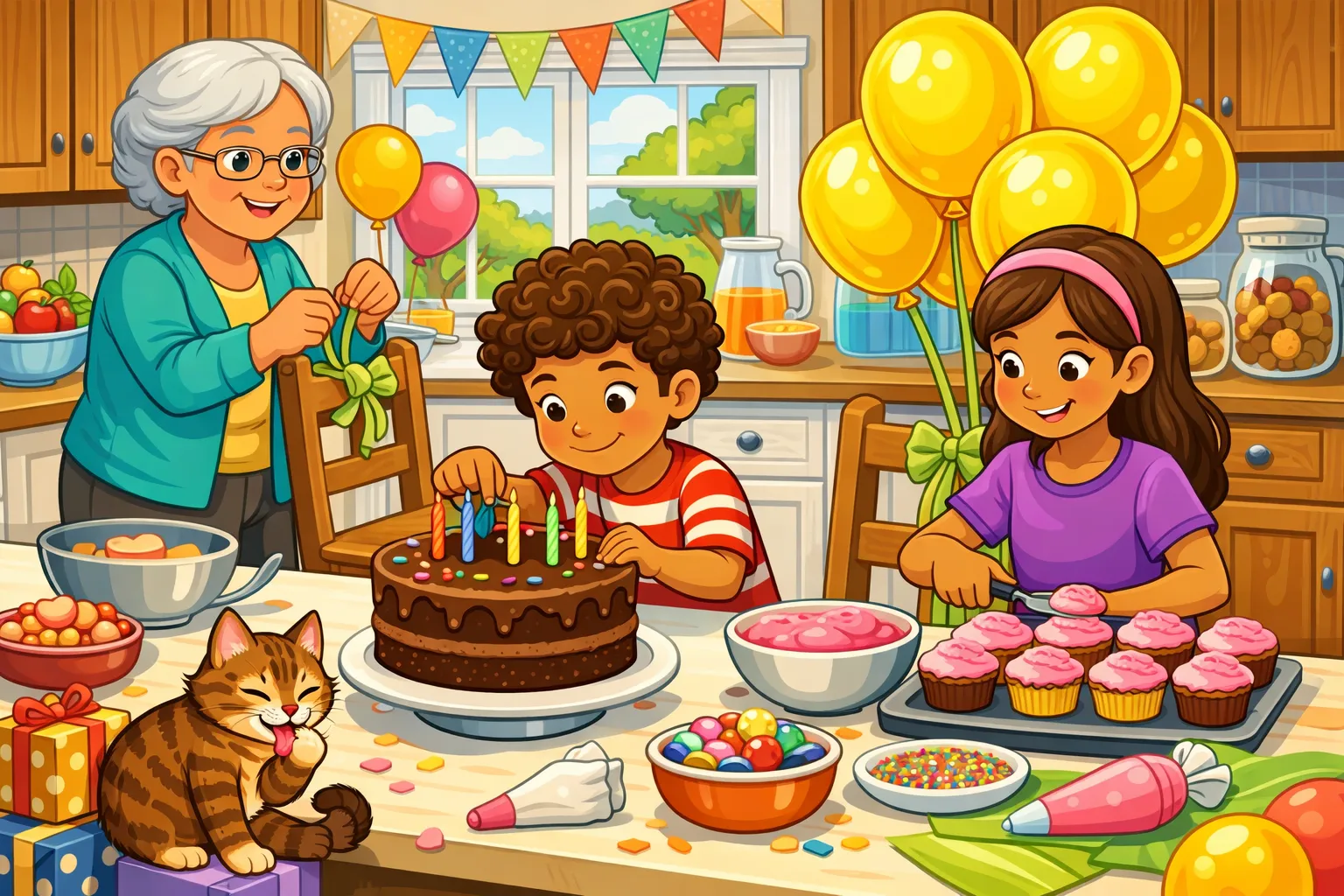
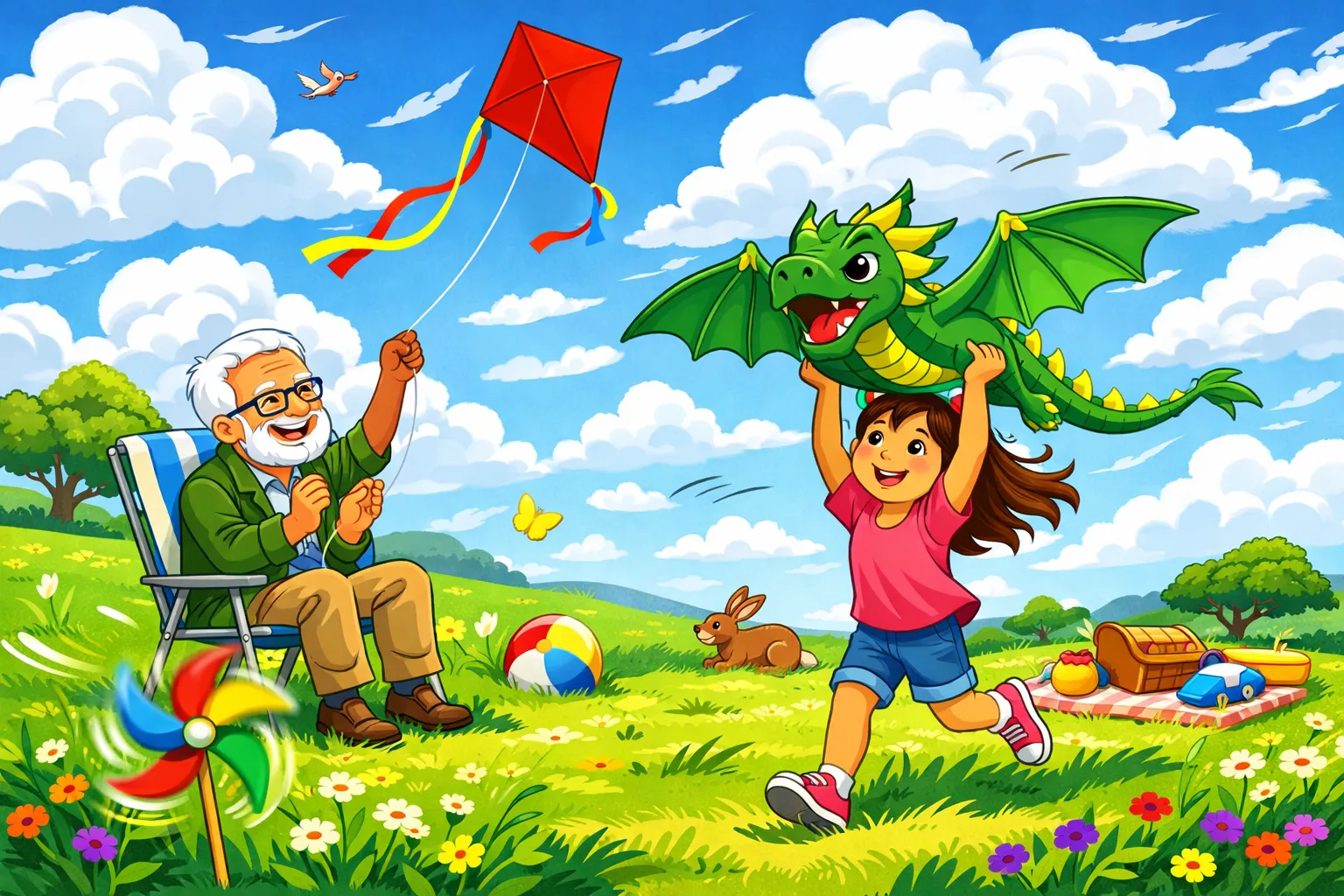
Every question was checked against its picture: the right answer is plainly true in the image and every wrong answer plainly false. A session is 10 questions of one type and level, at most two from the same picture.
How many questions there are
About 475 who questions, 390 what, 375 where, 150 when, 335 why and 365 how, across five themes: home, school, outdoors, community and events. When has the fewest, because a picture needs a time cue (the sky, a meal, a season) to carry one.