Social skills · ages 6–13

Social Skills Games for Kids, Online

SpeechTherapyMagic has two online social skills games made by a licensed speech-language pathologist. Social Spark puts a child in 51 short animated social moments and asks for the most helpful thing to think or say. Social Scenes has them build 57 conversations a turn at a time, record their part and hear it back.

7 days free • No card needed • Then $9.99/month or $79.99/year

  • Both run in a browser on a phone, tablet, laptop or a shared screen
  • Made for ages 6 to 13, in sessions, groups or at home
  • Feedback on every choice; a less helpful one is explained, not marked wrong
  • 7-day free trial, no card, then one price for everything
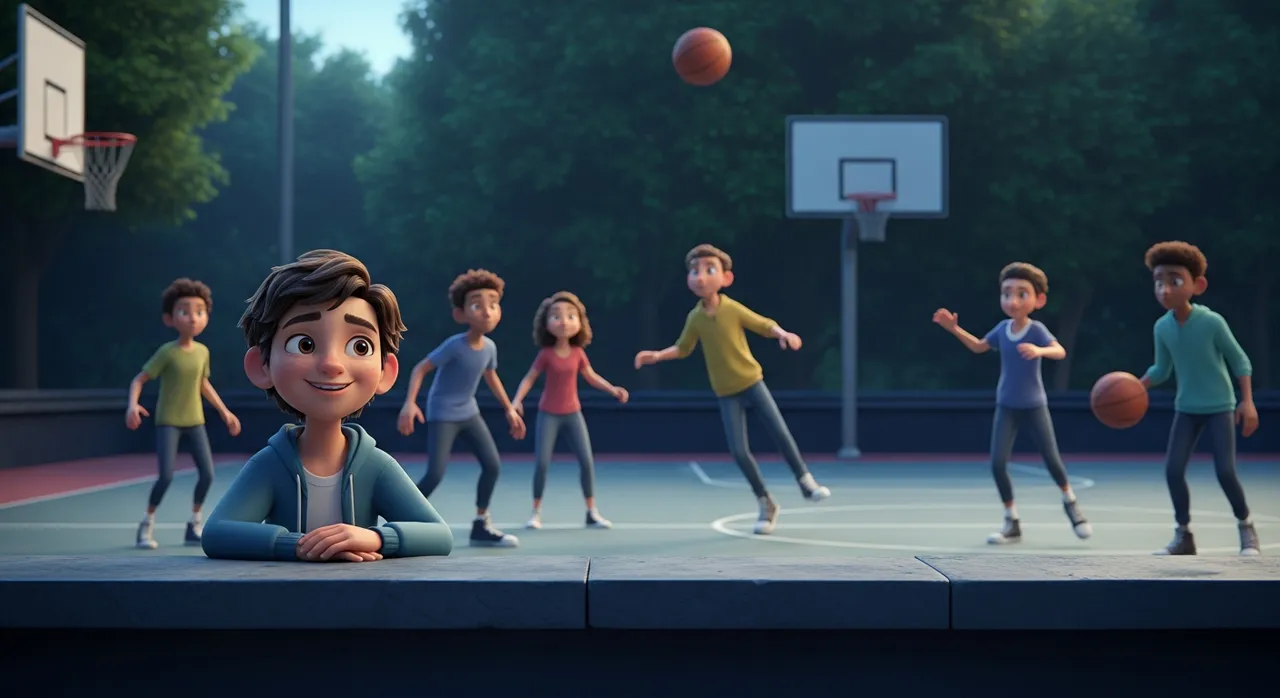
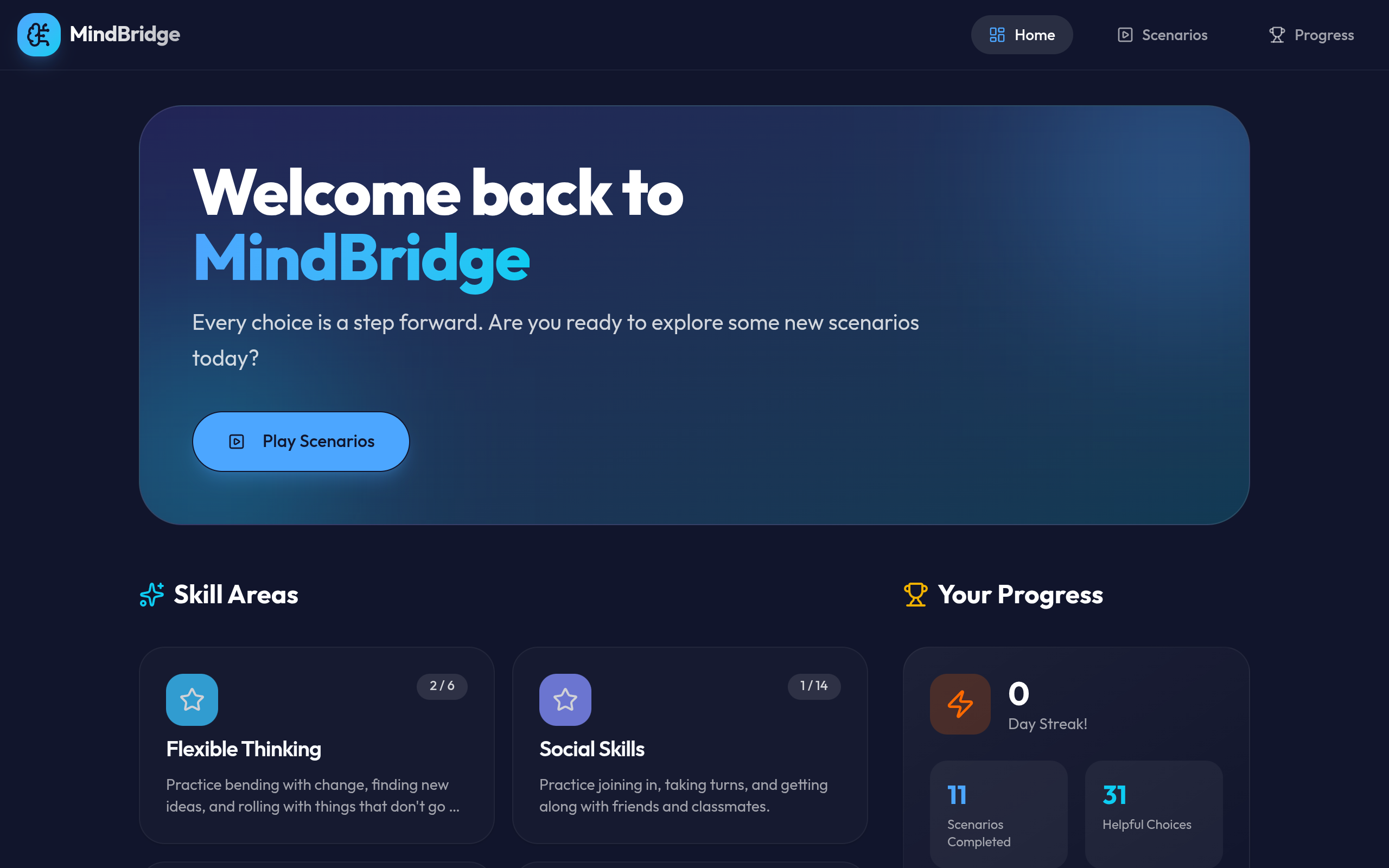
Social Spark scenario: joining a game
Social Spark
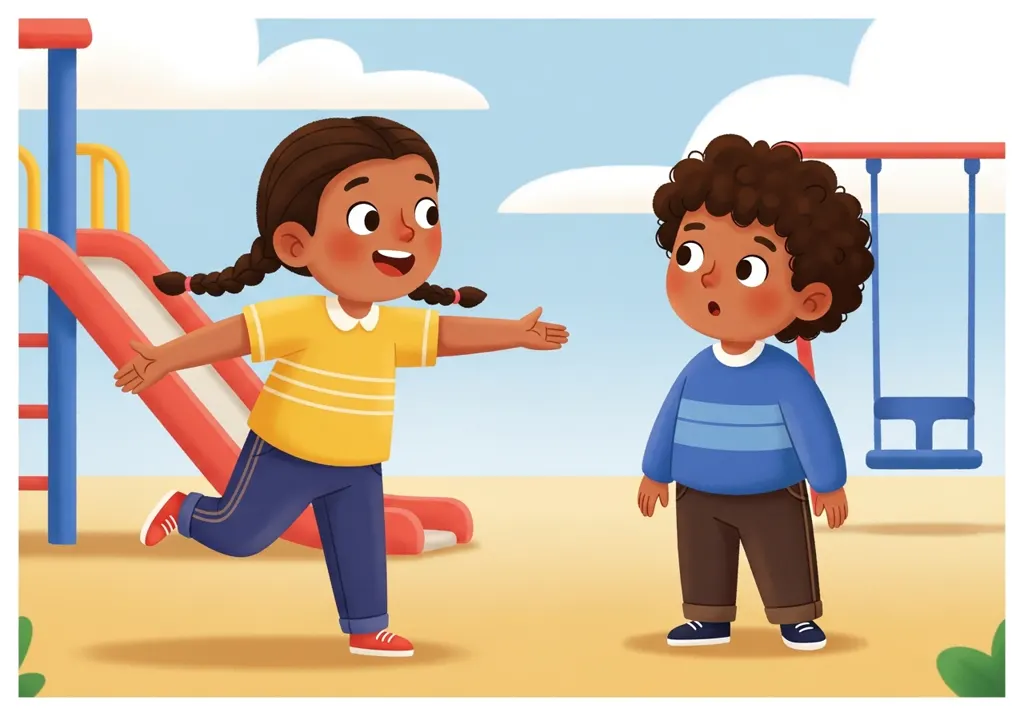
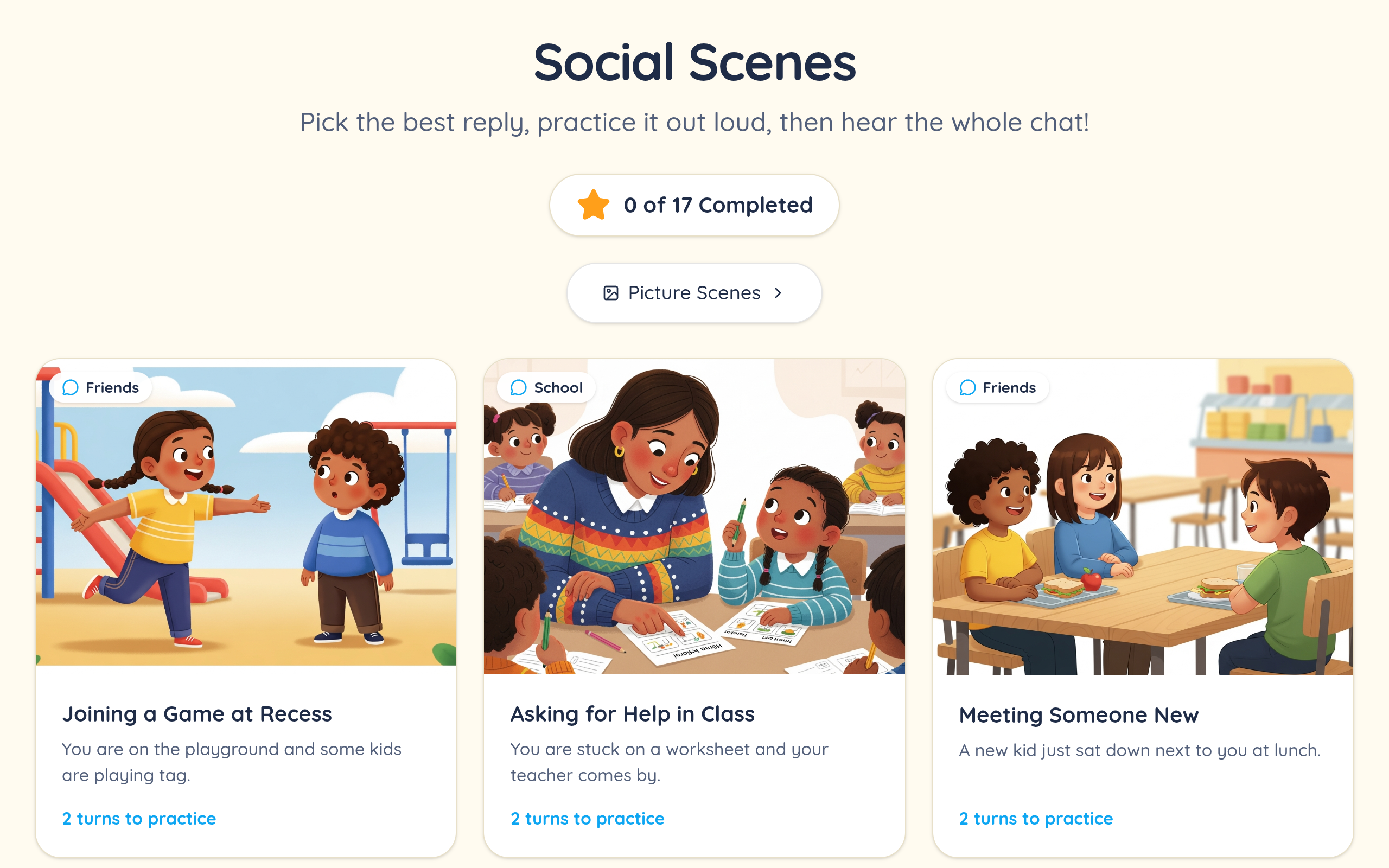
Social Scenes illustration: joining a game at recess
Social Scenes
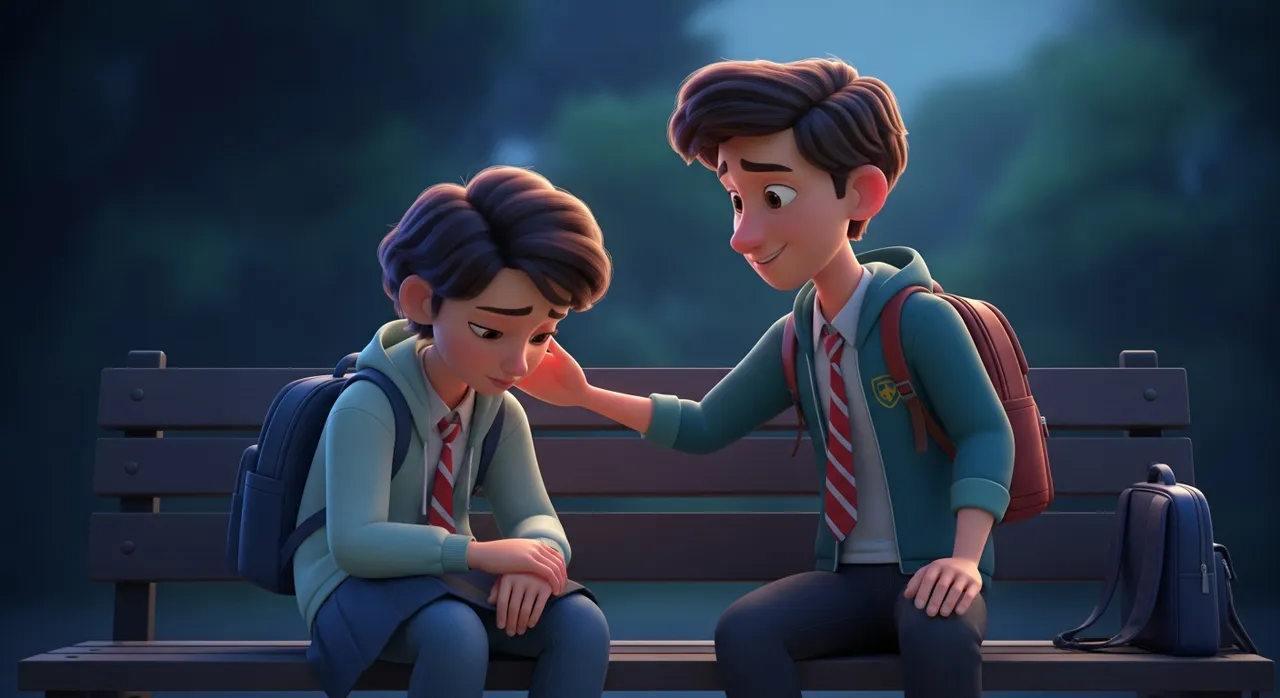
Social Spark scenario: why is my friend upset?
Perspective taking
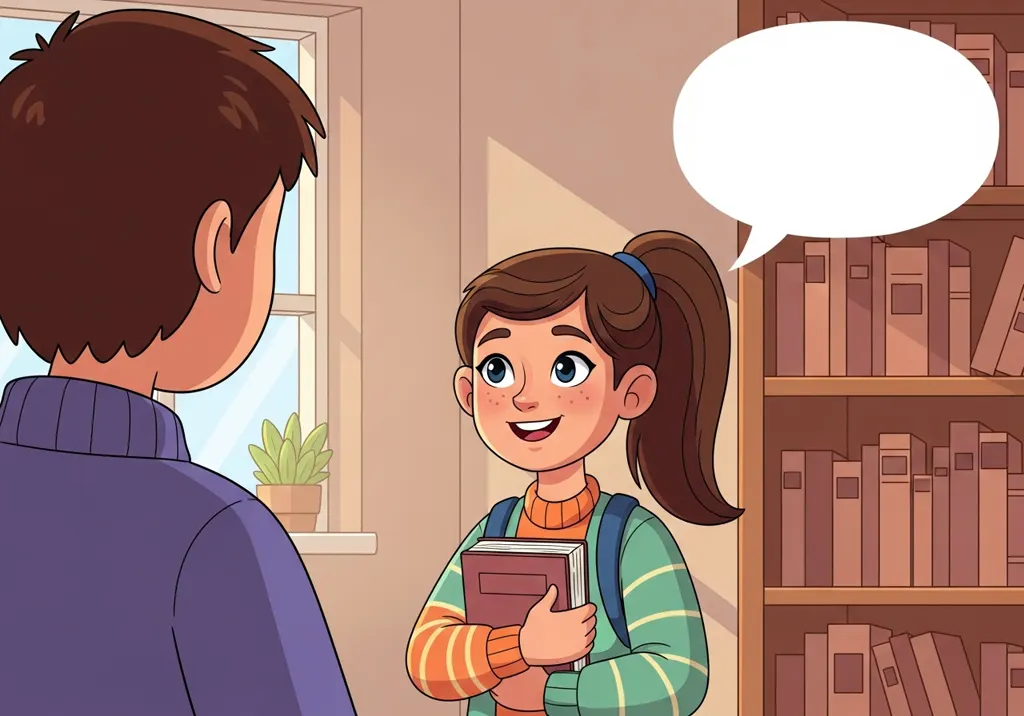
Social Scenes picture scene: sharing a great book
Picture scenes

The games and the deck

Two games and one ready-made deck. Each card says what is in it, so you can pick before you sign up.

Social Spark social skills game

Game · ages 6–13

Social Spark

Short animated scenarios about real social moments: a change of plans, a joke that stings, being asked to pick sides. The child watches, talks about it, then picks the most helpful thing to think or say.

  • 51 scenarios, each an 8-second animated clip
  • Six skill areas: flexible thinking, social skills, perspective taking, emotional regulation, kindness, conflict resolution
  • A "Let's Talk About It" prompt on every scenario
  • Every choice has its own feedback; a less helpful one is explained, never called wrong, and the child can try again
See Social Spark
Social Scenes conversation practice game

Game · ages 6–13

Social Scenes

Illustrated conversations the child builds one turn at a time: hear what the other person says, pick the best reply, then record their own part and play the whole conversation back.

  • 57 conversations and 50 picture scenes
  • Six topics: Friends, Family, School, Feelings, Out & About, Helping Others
  • A not-best reply is explained, then the child tries again
  • Record your own lines and hear them back; picture scenes give clues and an example response
See Social Scenes
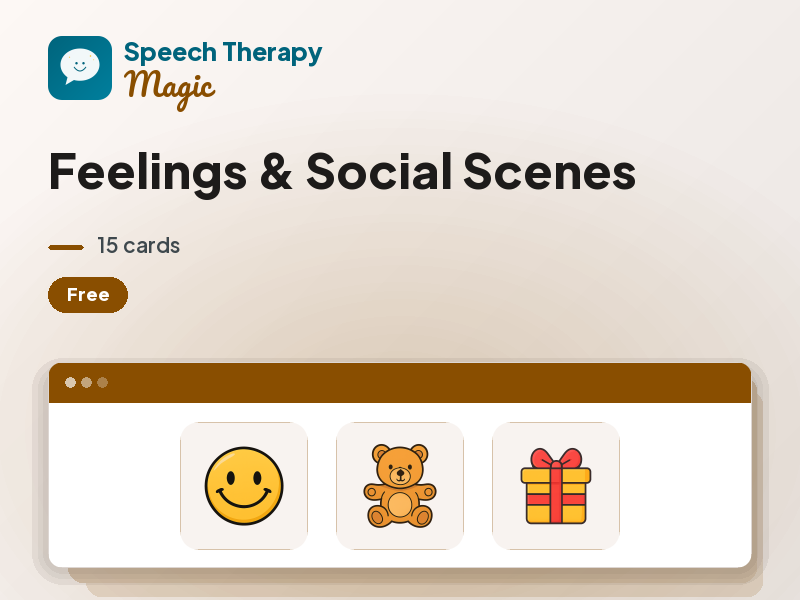
Feelings & Social Scenes deck cover

Ready-made deck · K–3rd grade

Feelings & Social Scenes

A 15-card Magic Studio deck: eight short scenes where the child names how the character feels, then picks a kind thing to say.

  • Eight feelings: sad, surprised, happy, angry, scared, excited, confused, calm
  • Three what-could-you-say cards, a situation-to-feeling match and a kind/unkind word sort
  • Share it with a student by PIN; they need no account
See the deck
Illustration from Social Scenes: a girl invites a boy to play on the playground

Collection

Social communication games

Every game in the catalog tagged for social or pragmatic goals, side by side, with ages and session length, plus a longer guide to what pragmatic language covers.

  • A comparison table of the social games
  • Guidance on groups, debriefing and autistic students
Compare the social games

Which one to start with

Start with Social Spark when the goal is about thinking before acting: reading a situation, handling a big feeling, seeing it from the other person's side, resolving a disagreement. Each scenario is a short clip and one or two questions, so it fits in a few minutes and works well as a discussion starter in a group.

Start with Social Scenes when the goal is the words themselves: what to say when joining a game, asking for help, saying sorry, ending a conversation. The child chooses a reply, records it and hears the whole conversation back, which makes it the better fit for conversation and self-monitoring goals.

For younger children, or for a five-minute warm-up on naming feelings, the Feelings & Social Scenes deck covers eight emotions in fifteen cards.

Who made them

Social Spark and Social Scenes were designed by Lori B. Levy, M.A., CCC-SLP, our co-founder and clinical lead. The scenarios, replies and feedback in both games are hers. We describe what the games contain and how SLPs use them; we make no claim that a game on its own changes a child's social skills. That depends on the practice around it: talking it through, rehearsing, and trying it in real life.

Frequently Asked Questions

What are the best online social skills games for kids?
Look for games that put the child in a realistic situation, ask them to choose what to think or say, and explain every choice. On SpeechTherapyMagic that is Social Spark (51 animated scenarios across six skill areas) and Social Scenes (57 conversations and 50 picture scenes with record-and-play-back), both made by a licensed SLP for ages 6 to 13.
Do the games work on a phone or a Chromebook?
Yes. They run in the browser, with nothing to install, on phones, tablets, laptops, Chromebooks and classroom screens.
Can I use them in a social skills group?
Yes. Put one game on a shared screen and take turns: one student chooses, the others say whether they agree and why. Social Spark's "Let's Talk About It" prompt is written for exactly that discussion.
Are these games a treatment for autism or ADHD?
No. They are practice material that SLPs, counsellors and parents use as part of their own work with a child. We make no claim that a game treats any condition.
How much does it cost?
Every account starts with a 7-day free trial of everything, with no card needed. After that it is $9.99 a month or $79.99 a year, and you can cancel anytime.

Try a social scenario today

Social Spark, Social Scenes and every other game are in the 7-day free trial. No card needed.

Start free trial

7 days free • No card needed • Then $9.99/month or $79.99/year