/l/ vs /r/: Which Did You Hear?
Lock or rock? Lamb or ram? Twenty-four cards that teach ears and mouths to tell /l/ from /r/.
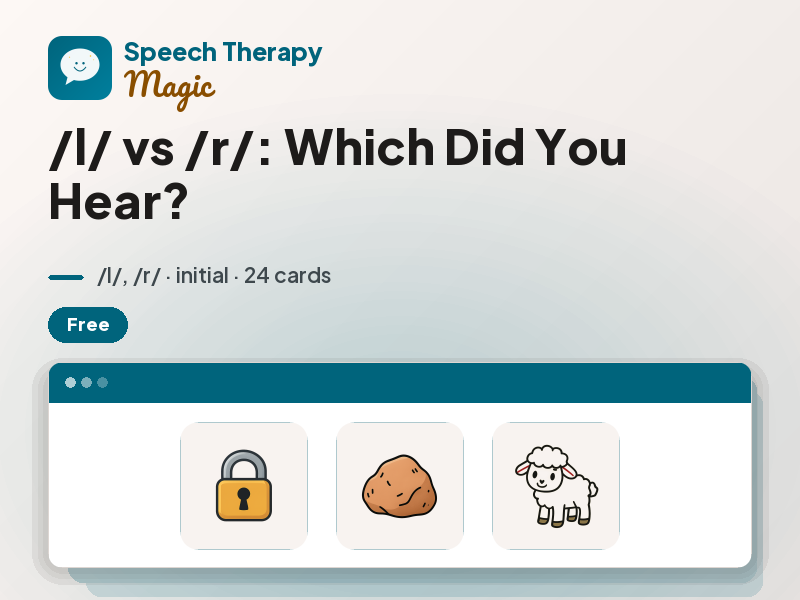
A 24-card listening and speaking deck for children who mix up /l/ and /r/: six /l/ flashcards, six /r/ flashcards, six which-did-you-hear minimal-pair cards (lock/rock, lamb/ram, light/right…), two picture quizzes, a sort and a spinner of pairs. Classroom theme. Free.
Free to play with a free account — sign up in under a minute
Already have an account? Sign inAbout This Deck
/l/ and /r/ are the two English liquids, and they are among the last sounds children master — many still confuse them at six or seven. Because the sounds look and feel alike (both are made with the tongue raised, both are voiced), the first step is often listening: a child who cannot hear the difference between "light" and "right" cannot correct their own production.
This deck is built around six minimal pairs — word pairs that differ only in the target sound. The child first practises each word on its own with a flashcard (six /l/ words, six /r/ words, each with a Hear it button and a record button), then plays six which-did-you-hear cards where the app says one word from a pair and the child taps the picture they heard. Two picture quizzes, an /l/-versus-/r/ sort and a spinner of pairs bring the words back for spontaneous production.
A classroom theme keeps it calm and school-appropriate for older children who are self-conscious about their speech.
What’s Inside /l/ vs /r/: Which Did You Hear?
24 cards in play order: 12 say-the-word flashcards, 8 picture quizzes, 1 sorting activity, 1 spinner, 1 picture flashcard, 1 title or instruction card.
- 12say-the-word flashcards
- 8picture quizzes
- 1sorting activity
- 1spinner
- 1picture flashcard
- 1title or instruction card
Words pictured in this deck




What /l/ vs /r/: Which Did You Hear? Practices
The /l/ and /r/ sound in initial position, through repetition a child hears and says rather than reads about. Each target sound has a full guide with free practice word lists:
Skills Practiced
- /l/ vs /r/ auditory discrimination
- Initial /l/ articulation
- Initial /r/ articulation
- Minimal-pair production
- Self-monitoring of speech
Is /l/ vs /r/: Which Did You Hear? Right for Us?
Best for: Children aged 4–9 who substitute /l/ for /r/ (or the reverse), speech-language pathologists running minimal-pair therapy, and parents doing carry-over practice at home.
| Sounds | /l/ and /r/ — initial position |
|---|---|
| Category | Articulation |
| Grades | Pre-K – 3rd grade |
| Cards | 24 cards |
| Time | About 12 min |
| Plan | Free with an account |
| Made by | SpeechTherapyMagic |
| Format | Interactive cards — runs in any browser, nothing to install |
How to Use It
Play the flashcards first, /l/ words then /r/ words. Model the difference physically: for /l/ the tongue tip touches behind the top teeth; for /r/ it pulls back and never touches.
The which-did-you-hear cards are the heart of the deck. Let the child tap Hear it as many times as they want before answering — the goal is accurate listening, not speed. If they answer wrongly, play both words of the pair back to back.
Use the sort card to check whether the child can classify words by their first sound without a picture cue, and end with the spinner: whatever pair it lands on, the child says both words. Twelve minutes covers everything.
How to Play
- 1Create a free account (or sign in) and add the deck to your library from the marketplace.
- 2Open it from My Library on a tablet, phone or laptop — or share a PIN so a student can play at speechtherapymagic.com/go without logging in.
- 3Tap through the cards. Question cards are scored automatically and a summary shows at the end of every play.
Questions About /l/ vs /r/: Which Did You Hear?
What is a minimal pair?
Two words that differ by a single sound, like lock and rock. Practising them together shows the child that the sound change changes the meaning, which motivates them to hear and produce the difference.
My child says "w" for both /l/ and /r/. Is this deck right for them?
Gliding (saying "wock" for rock) is very common. This deck still helps because the listening cards train the ear, but pair it with single-sound work on /r/ or /l/ first if your child cannot yet produce either sound in isolation.
Which words are included?
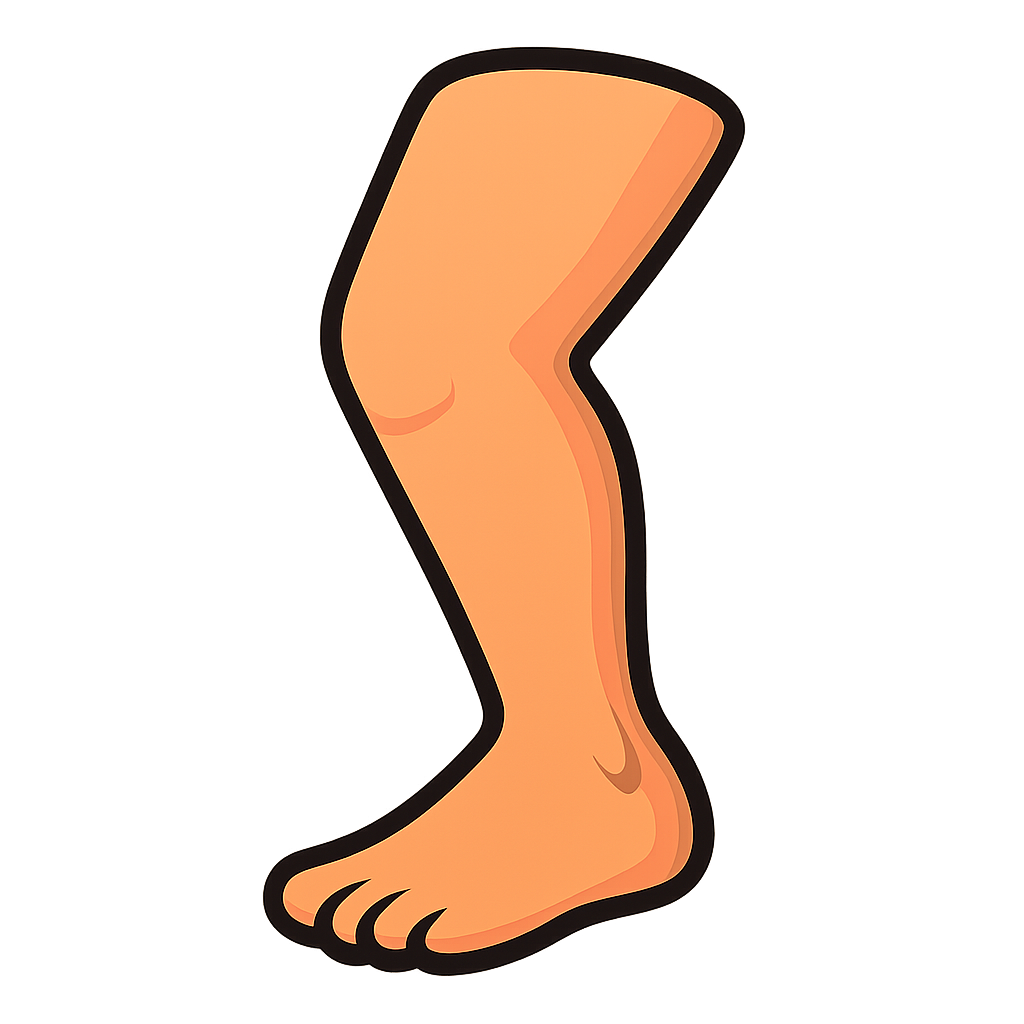
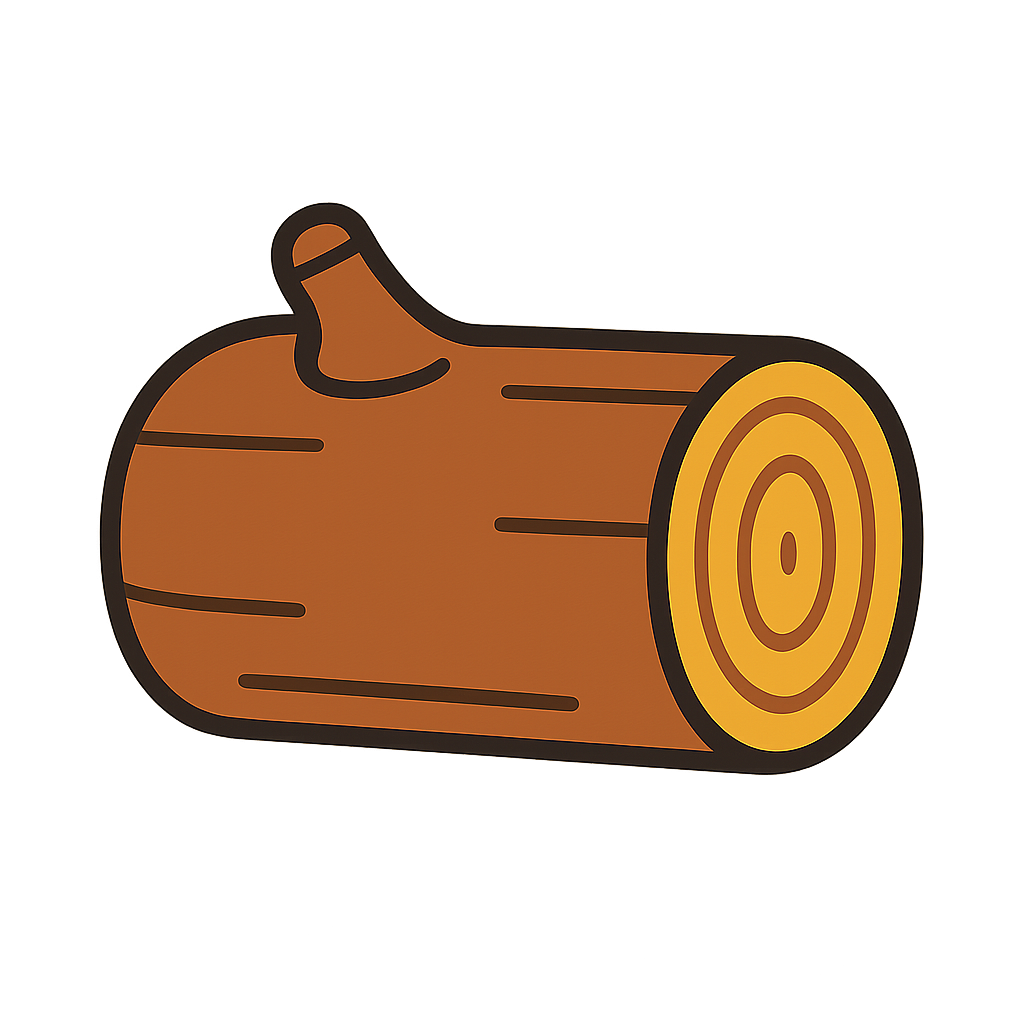
The /l/ side is lock, lamb, light, lake, lip and log (plus leg and lemon in the quizzes); the /r/ side is rock, ram, right, rake, rip and ring (plus rabbit, rice, road and robot). All are initial-position words a five-year-old knows.
Is the deck free?
Yes. It is one of the first-party decks made by the SpeechTherapyMagic team and is free to play and save with any account.
Can a teacher share it with a whole class?
Yes. Save it, then create a Quick Play PIN from your library — students enter the PIN at speechtherapymagic.com/go and play without logging in.
Free to play with a free account — sign up in under a minute
Already have an account? Sign inRelated Decks
Matched on the sound and category this deck targets, so the next one keeps working on the same goal.
 FreeOfficial
/r/ Sound Mastery: Complete Practice Pack
One deck, every position — /r/ at the start, middle and end of words, with real illustrations.
 FreeOfficial
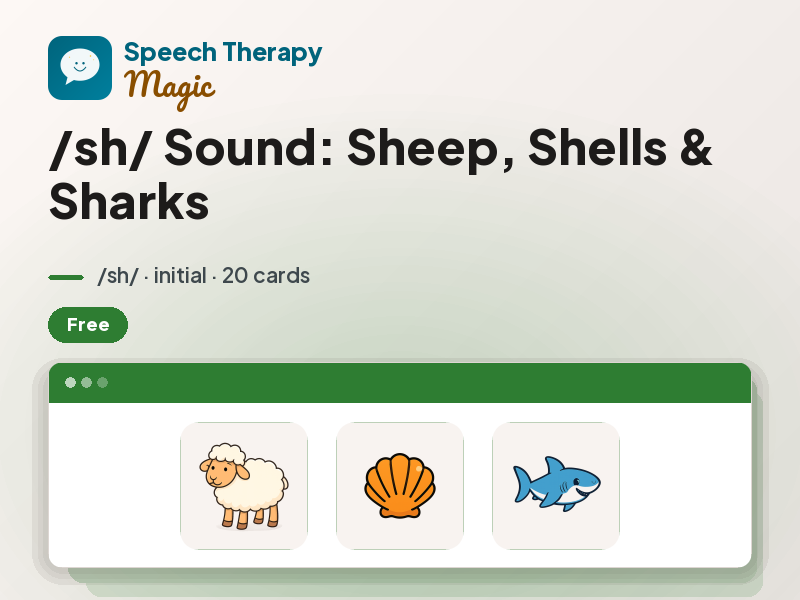
/sh/ Sound: Sheep, Shells & Sharks
Initial /sh/ words your child will actually want to say — sheep, shells, sharks and more, farm-themed and free.
 FreeOfficial
How to Use Magic Studio: The Interactive Guide
The Magic Studio manual you play instead of read — every element live, every recipe demonstrated.
Ready to Play /l/ vs /r/: Which Did You Hear??
Create a free account to add this deck to your library, track progress, and build decks of your own in Magic Studio.
Get Started Free