Maze Quest: Online Speech Therapy Game for Kids
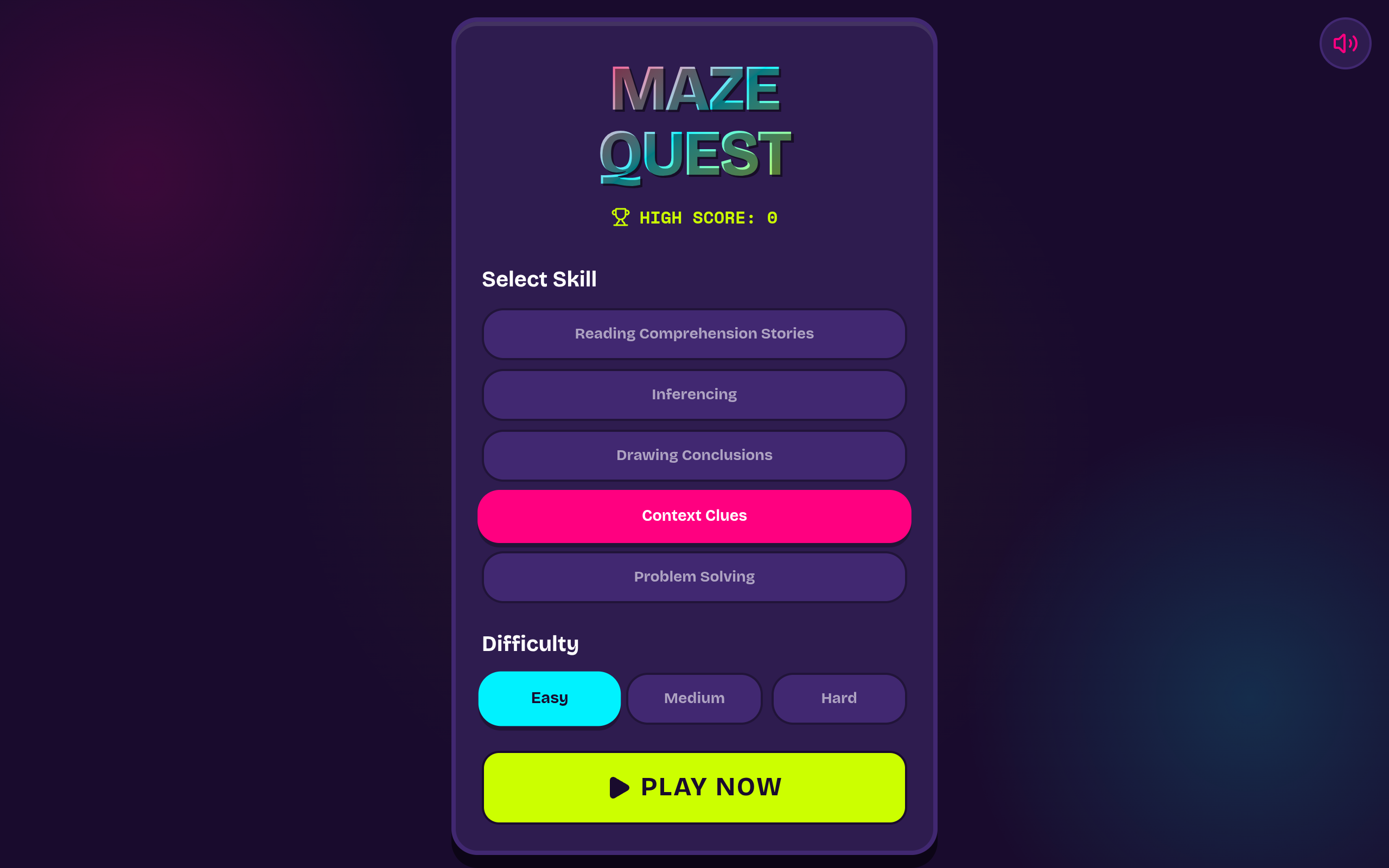
Solve your way through the maze by answering comprehension and inferencing questions.
Included with the Pro plan — create an account to get started
Already have an account? Log inHow to Play Maze Quest
- 1Enter the maze — moving forward is what answering a question buys you.
- 2Read or listen to each question and work out what was meant, not just what was said.
- 3Answer to take a step deeper. Progress is visible, which is what keeps a full session going.
- 4After each answer, say how you knew. Naming the clue is the part that generalises.
What Maze Quest Practices
Is Maze Quest Right for Us?
| Ages | Ages 6–12 |
|---|---|
| Where it fits | Anywhere |
| Typical session | 10 min |
| Plan | Pro |
| Format | Speech Therapy Game — runs in any browser, nothing to install |
| Skills targeted | Comprehension, Inferencing, Reasoning, Listening |
- Students with language comprehension goals on their IEP or therapy plan
- Kids who need inferencing practice beyond "look at the picture" worksheets
- Reluctant readers who engage better when questions are inside a game
- SLPs who want a no-prep comprehension activity for mixed groups
What Is Maze Quest?
Maze Quest is a free online comprehension and inferencing game designed by a licensed speech-language pathologist. Players progress through a maze, and moving forward means engaging with questions that make them think past the surface of what was said — the core skill of inferencing.
The maze structure does something clever: it turns comprehension practice, which kids usually experience as quiz questions, into forward progress they can see. Every correct answer is a step deeper into the maze, which keeps motivation up across a full session.
Why Inferencing Is Such a Critical Skill
Inferencing — combining what was actually said with background knowledge to figure out what was meant — underpins reading comprehension, social understanding, and academic success. A student who can decode every word but can't infer will still fail the "why do you think the character did that?" questions that dominate classroom reading from third grade on.
Students with language disorders typically need far more repetitions of inference-style questions than classroom instruction provides. A game format makes those repetitions feel like play instead of drill, which is exactly why SLPs reach for activities like this one.
How to Use Maze Quest in Therapy or at Home
In sessions, use each question as a springboard: after the student answers, ask "how did you know?" so they verbalize the clue-plus-knowledge reasoning behind the inference. That metacognitive step is where the generalization happens.
At home, Maze Quest is genuinely self-running — kids can play solo while a parent listens in. If your child guesses randomly, slow it down: read the question together and hunt for the clue word before choosing an answer.
Included with the Pro plan — create an account to get started
Already have an account? Log inMore Games Like Maze Quest
Matched on the skills this one targets, so the next thing you open keeps working on the same goal.
 Pro
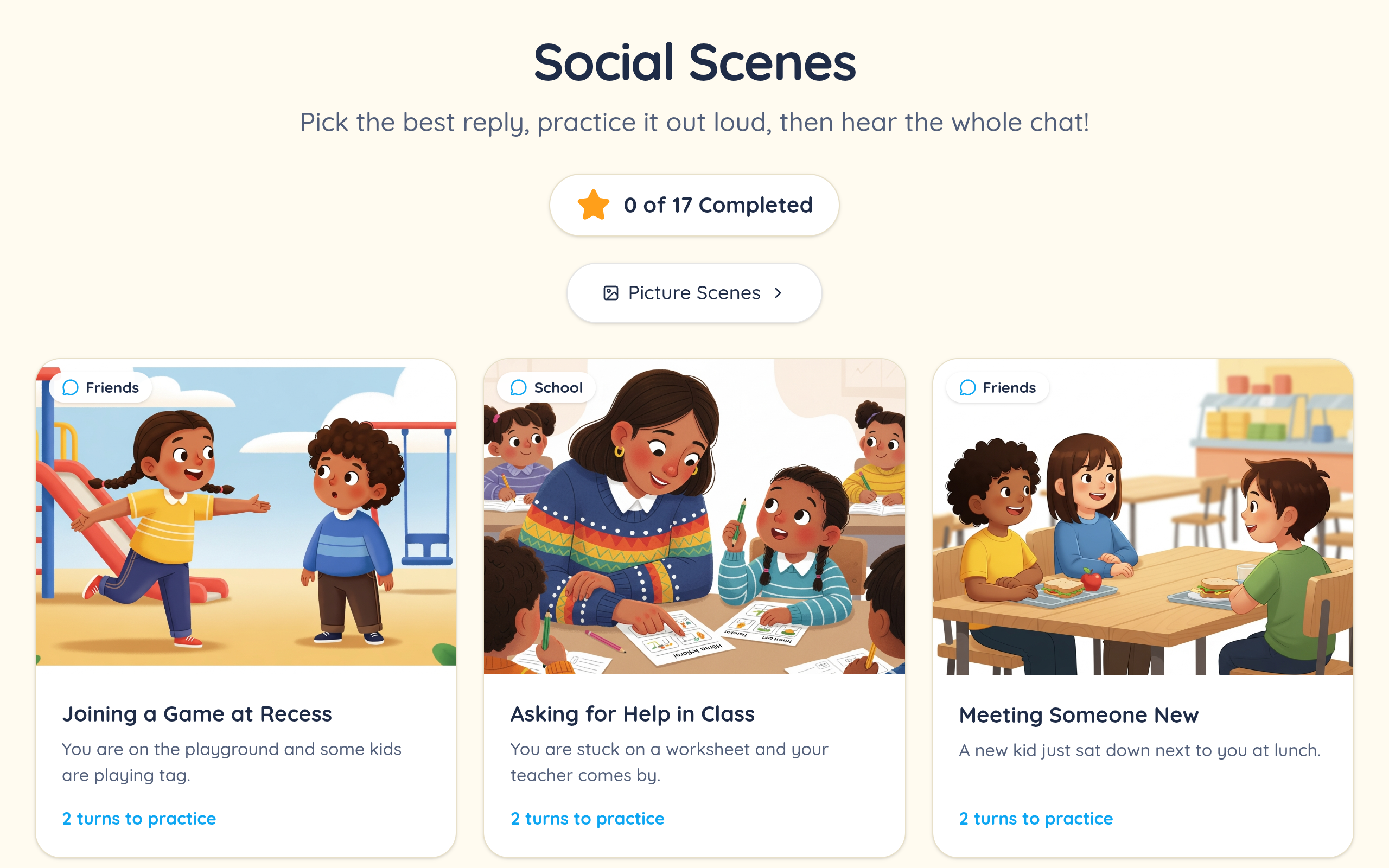
ProSocial Scenes
Ages 6–13Build conversations in everyday social situations — then record yourself and hear exactly how it sounds.
Targets
 Pro
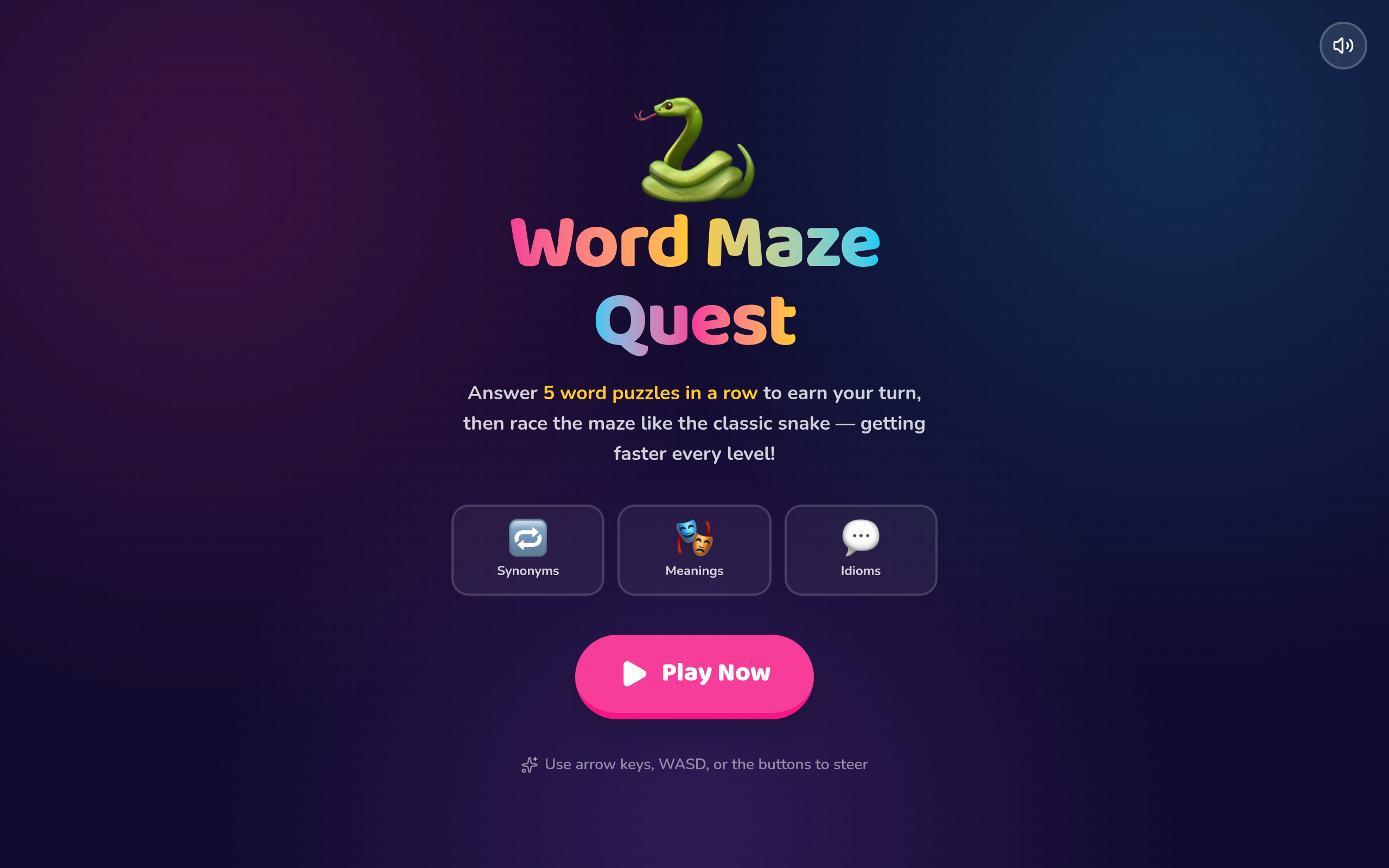
ProLevel Up
Ages 7–13A fast multiple-choice vocabulary game covering synonyms, antonyms, multiple-meaning words, and idioms.
Targets
 Pro
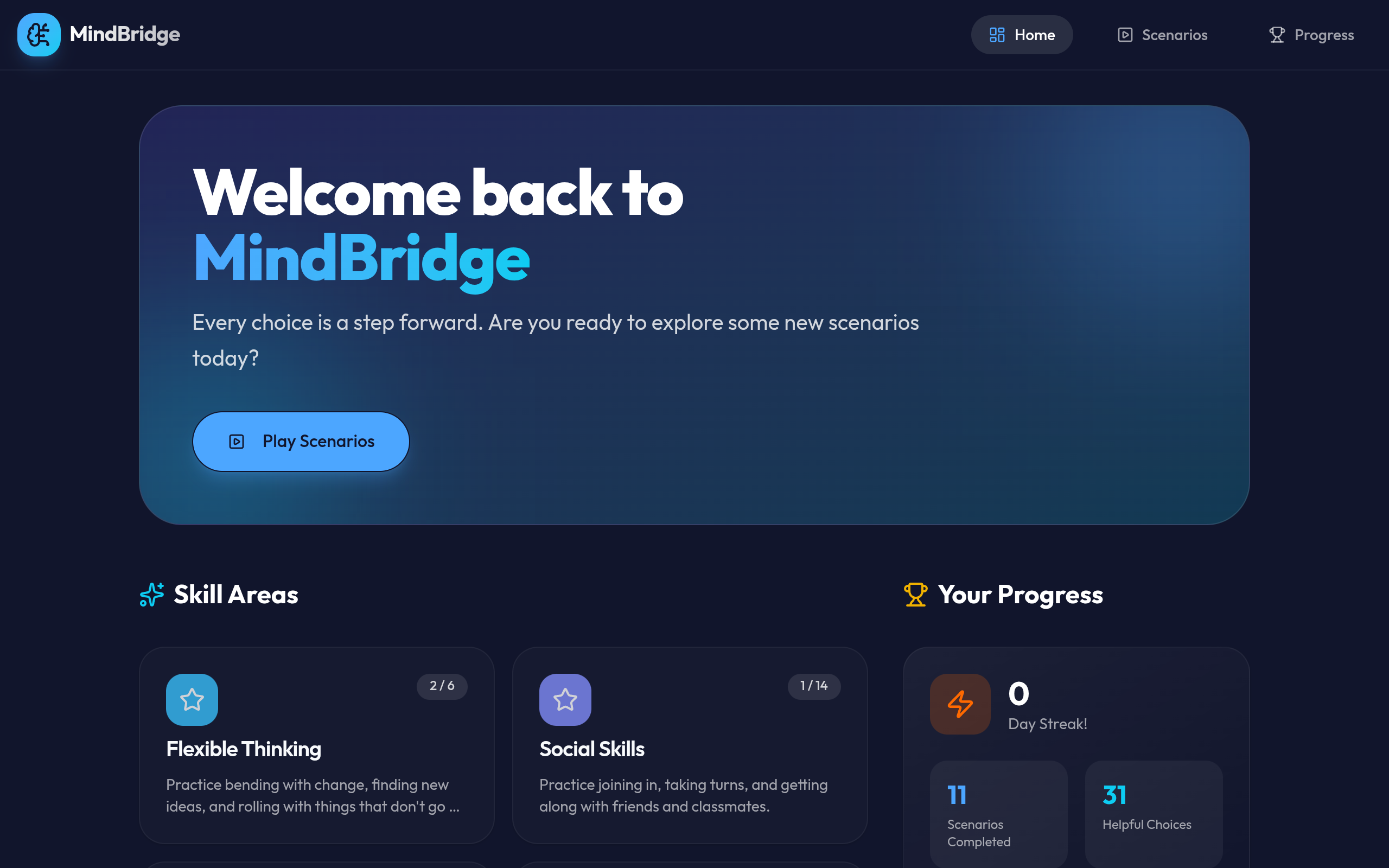
ProSocial Spark
Ages 6–13Practice social skills and emotional regulation — and build essential life skills and friendships along the way.
Targets
Frequently Asked Questions
Is Maze Quest free to play?
What skills does Maze Quest target?
What ages is it appropriate for?
Can I use it in teletherapy?
Ready to Play Maze Quest?
Create an account and upgrade to Pro for unlimited play, progress tracking, and every premium practice activity — pronunciation games, personalized stories, and smart flashcards.
Get Started Free