Social Spark: Online Speech Therapy Game for Kids
Practice social skills and emotional regulation — and build essential life skills and friendships along the way.
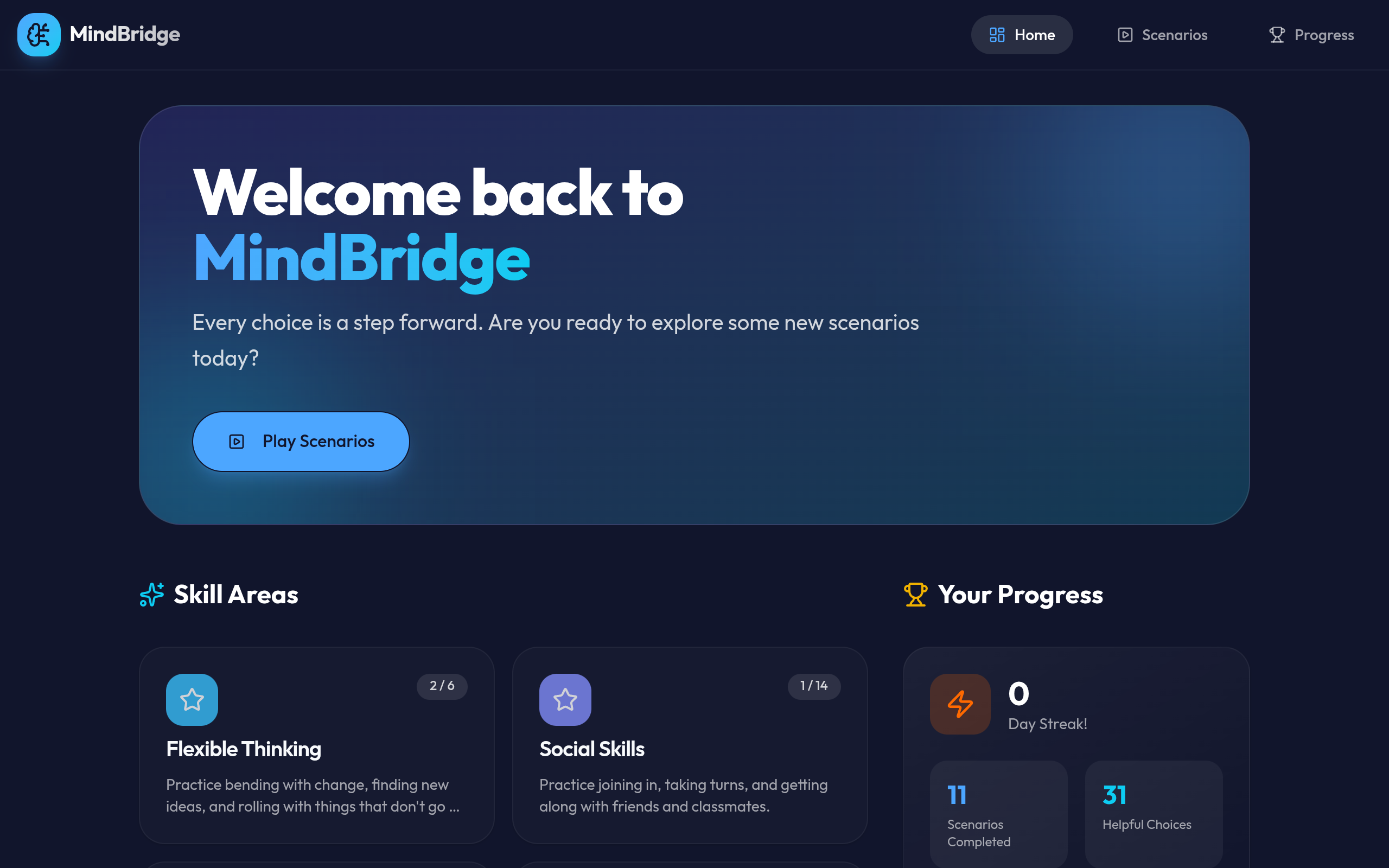
Included with the Pro plan — create an account to get started
Already have an account? Log inHow to Play Social Spark
- 1Work through guided situations of the kind that actually come up at school and at home.
- 2Name the feeling first — a child who cannot yet name a big feeling cannot use their social skills on top of it.
- 3Choose what to say or do, get feedback, and try the same situation again.
- 4Pause on the ones that land and talk about them. The discussion is where the skill transfers.
What Social Spark Practices
Is Social Spark Right for Us?
| Ages | Ages 6–13 |
|---|---|
| Where it fits | Anywhere |
| Typical session | 10 min |
| Plan | Pro |
| Format | Speech Therapy Game — runs in any browser, nothing to install |
| Skills targeted | Social Skills, Emotional Regulation, Perspective Taking, Friendship Skills |
- Students with pragmatic language or social communication goals
- Kids working on identifying and managing big emotions
- Social skills groups, counseling sessions, and SEL classroom time
- Autistic students who benefit from explicit, structured social practice
What Is Social Spark?
Social Spark is a free online activity that focuses on a variety of social skills and emotional regulation, designed by a licensed speech-language pathologist. Rather than drilling isolated rules, it puts kids in guided practice around the situations that actually come up at school and at home — helping them build essential life skills and friendships along the way.
Social communication is speech therapy's most requested and least worksheet-able goal area. An interactive format lets students respond, get feedback, and try again — which is much closer to how social learning actually works than circling answers on paper.
Why Emotional Regulation and Social Skills Go Together
A child who can't yet name and manage a big feeling can't use their social skills in the moment — the feeling gets there first. That's why modern social-communication therapy pairs the two: recognizing emotions in yourself and others, sizing your reaction to the size of the problem, and then choosing what to say or do.
These skills matter far beyond the therapy room. Emotional regulation in early elementary school predicts friendships, classroom participation, and even academic outcomes years later. Structured, repeated practice — the kind a game provides — is how those skills move from "knows it when asked" to "uses it when it counts."
How to Use Social Spark in Therapy or at Home
In a session or social group, treat each prompt as a conversation starter: pause, ask "has that ever happened to you?", and let students share before moving on. The game gives you the scaffold; the discussion is where the skill generalizes.
At home, play alongside your child rather than handing them the tablet. Talking through the situations together — including sharing how you handle frustration or disappointment — models the exact skills the game is building.
Included with the Pro plan — create an account to get started
Already have an account? Log inMore Games Like Social Spark
Matched on the skills this one targets, so the next thing you open keeps working on the same goal.
 Pro
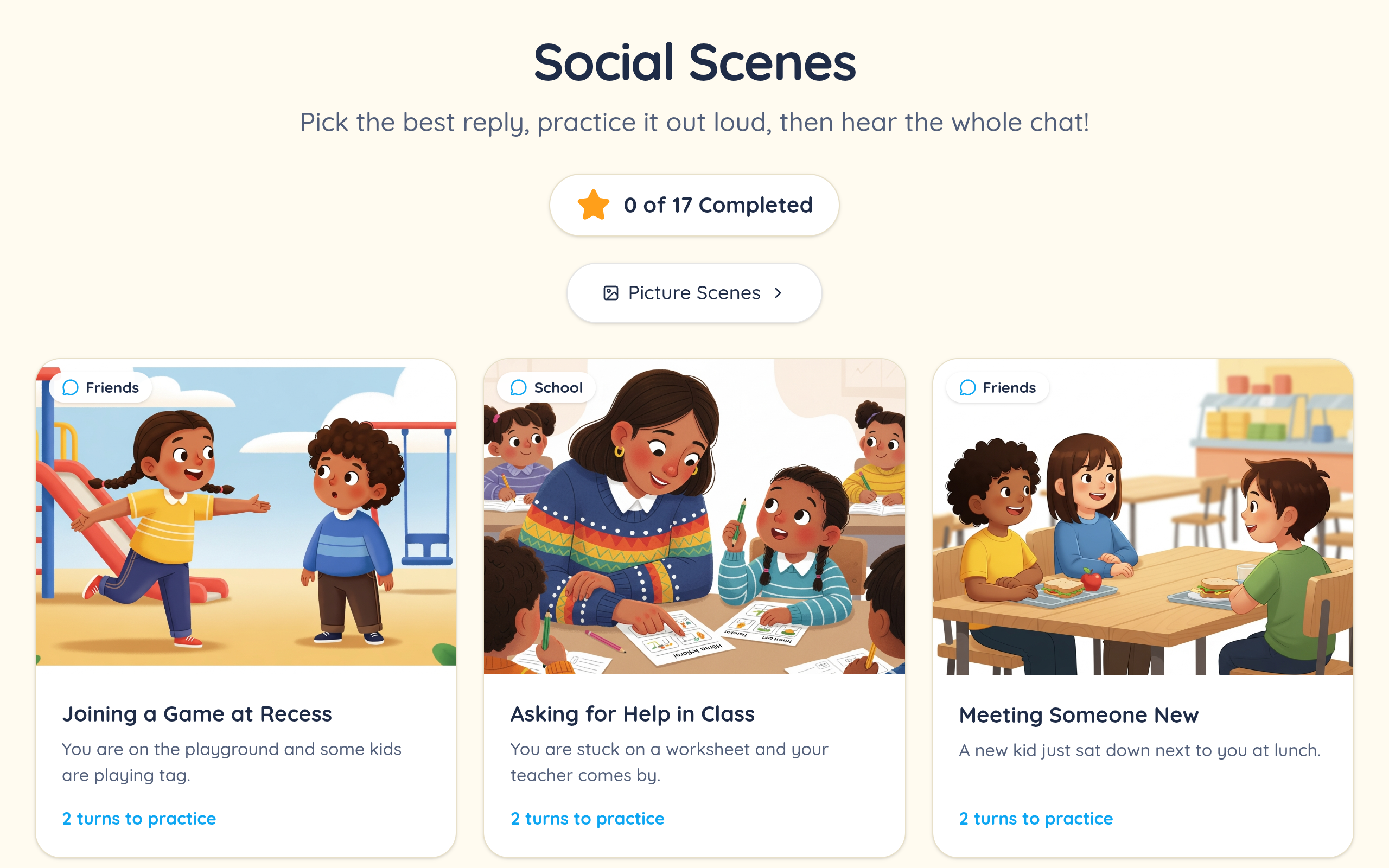
ProSocial Scenes
Ages 6–13Build conversations in everyday social situations — then record yourself and hear exactly how it sounds.
Targets
 Pro
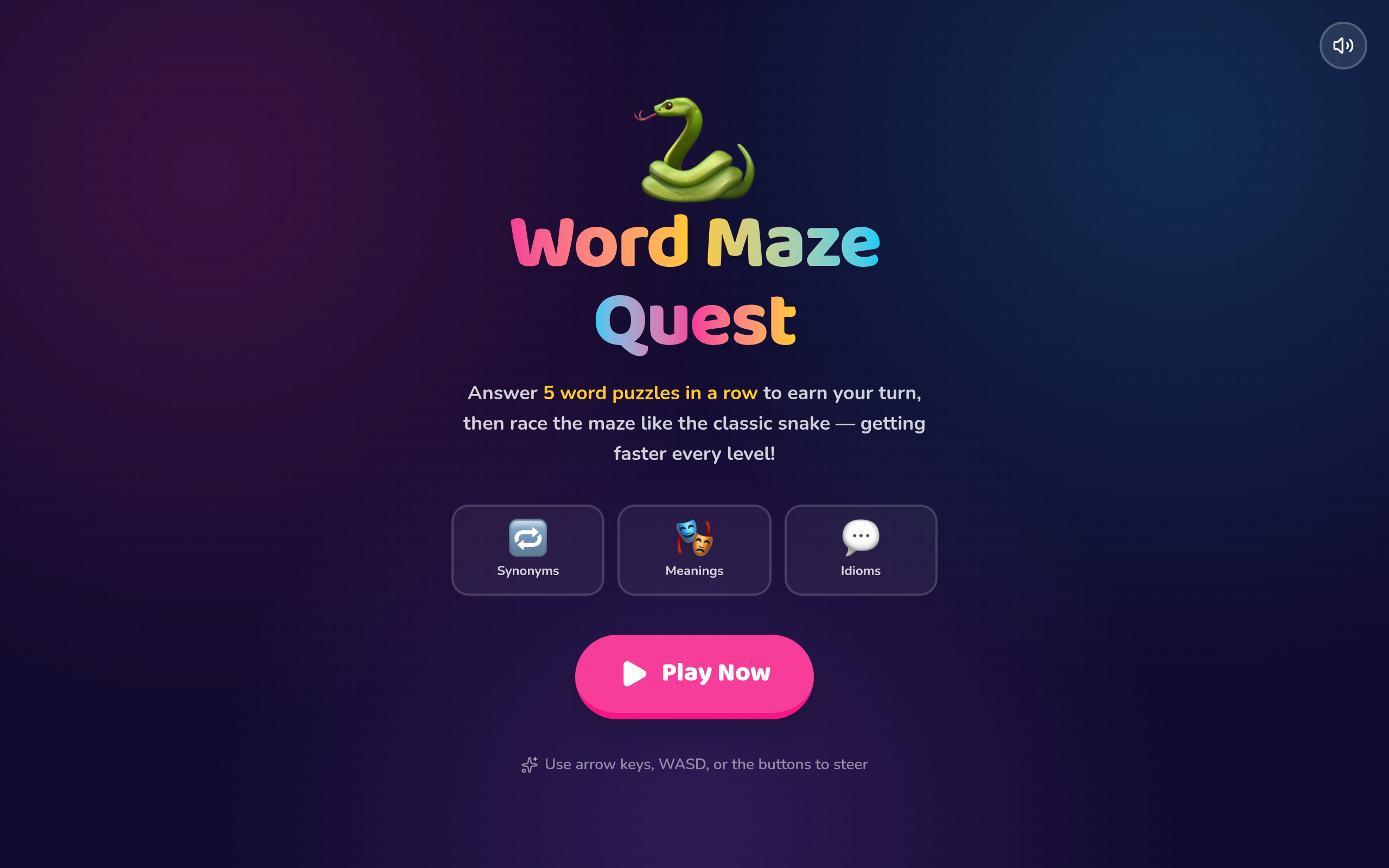
ProLevel Up
Ages 7–13A fast multiple-choice vocabulary game covering synonyms, antonyms, multiple-meaning words, and idioms.
Targets
 Pro
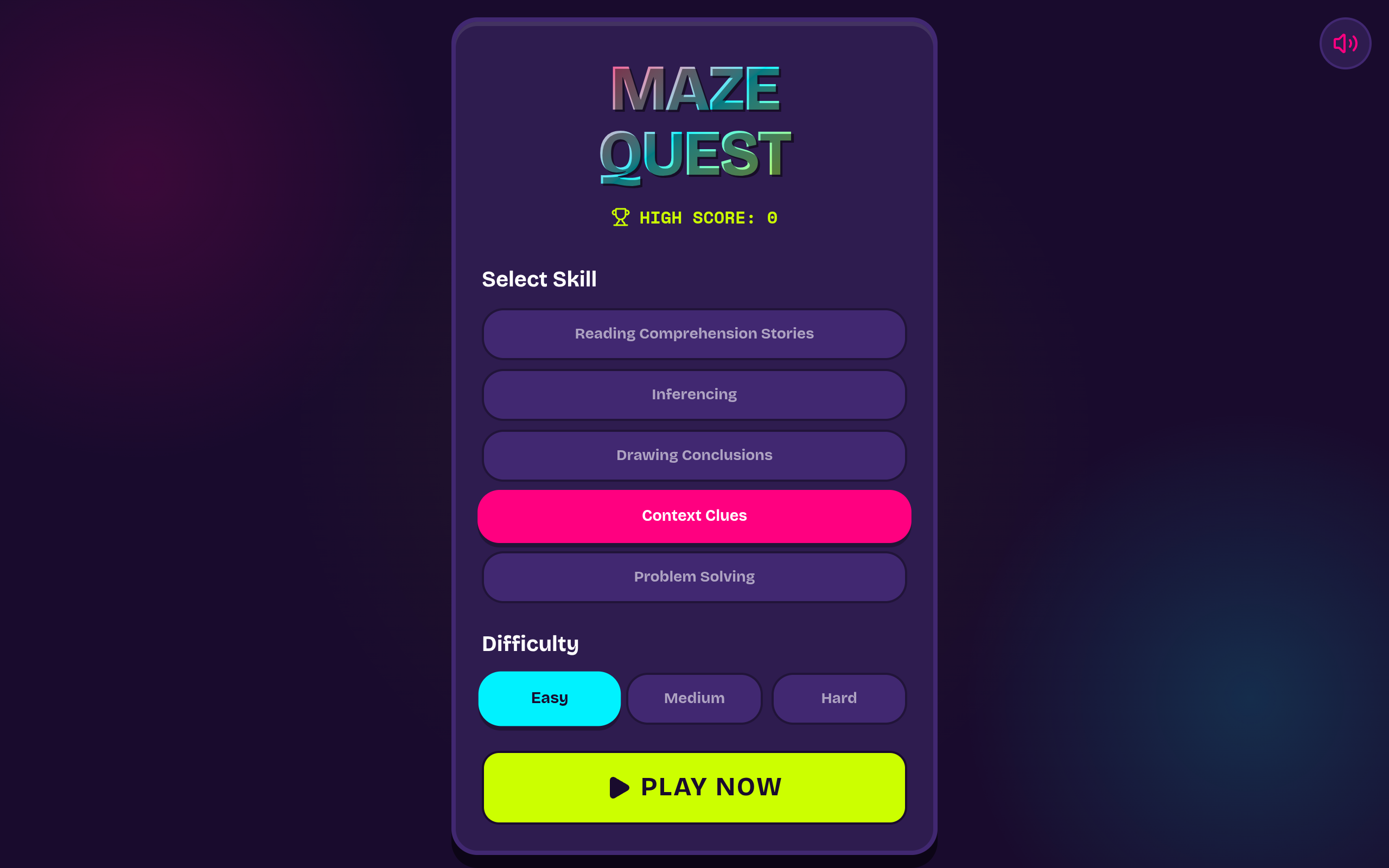
ProMaze Quest
Ages 6–12Solve your way through the maze by answering comprehension and inferencing questions.
Targets
Frequently Asked Questions
Is Social Spark free to play?
Who is Social Spark for?
Is it only for speech therapy?
Was it created by a professional?
Ready to Play Social Spark?
Create an account and upgrade to Pro for unlimited play, progress tracking, and every premium practice activity — pronunciation games, personalized stories, and smart flashcards.
Get Started Free